
Monitoring impedance of the plasma in semiconductor processing enables tighter control and higher yield
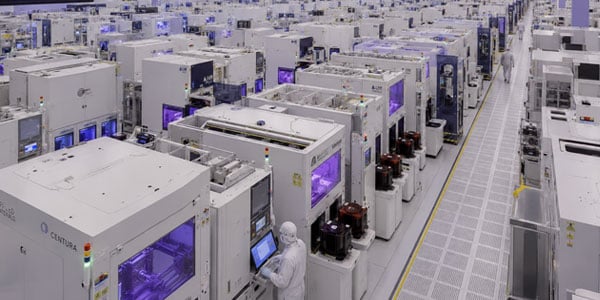
Your chemical vapor deposition tool is placing thin film layers on your most advanced sub-5 nm wafer. The RF generator is outputting the power required by the recipe for the IC. The inline power sensor in the power delivery system, up to the matching network, shows low reflected power within the process specification. No alarms are active. Yet the metrology data on film thickness is out of specification. The process engineer stares at the RF power log and sees nothing wrong. However, the process engineer does not have any data from inside the plasma chamber. The problem is not with the external RF power delivery system. The problem is that no diagnostic information comes from inside the plasma chamber.
RF power measurements tell you what the generator delivers to the match box. They do not tell you how the plasma is functioning inside the chamber. Your matching network can mask significant plasma instability while the process unknowingly drifts. As device geometries shrink below 5 nm and process windows tighten, this blind spot in process control becomes increasingly costly.
The solution is in-situ plasma impedance measurement. By monitoring voltage, current, and phase angle in the plasma chamber, you gain real-time visibility into the plasma's state, not just what your RF system reports as delivered power.
What Is Plasma and Why Is It So Difficult to Control?
Plasma is a partially ionized gas containing electrons, ions, radicals, and excited molecules. Sustained by RF energy, plasma serves as both a chemical reactor and the load for the RF circuit. Plasma is a nonlinear, time-varying impedance and is highly sensitive to operating conditions. Minor variations in voltage, current, and phase angle result in changes in impedance. These impedance changes can cause large swings in ion energy, ion density, and plasma uniformity. The consequences are deviations in etch or deposition rate, critical dimension control, selectivity, and ultimately, yield.
In addition to RF power, several other parameters affect plasma impedance:
- Gas chemistry
- Chamber pressure
- Temperature
- Wafer state (varying dielectric properties, surface conductivity, and feature geometry)
- Chamber condition (film deposits on chamber walls)
Furthermore, process step transitions impose their own impedance dynamics on the plasma. These include:
- Plasma ignition
- Stabilization after ignition
- Etch-to-deposition transitions
- Power transitions such as pulsed RF waveforms
Controlling plasma is less like turning a dial and more like conducting an orchestra where every instrument must stay perfectly in tune. With gas flow, pressure, temperature, chamber cleanliness, and RF power delivery all influencing plasma behavior and plasma impedance, controlling the plasma state is challenging, and control cannot be accomplished without measurement.
The Plasma Chamber as a Dynamic Electrical Environment
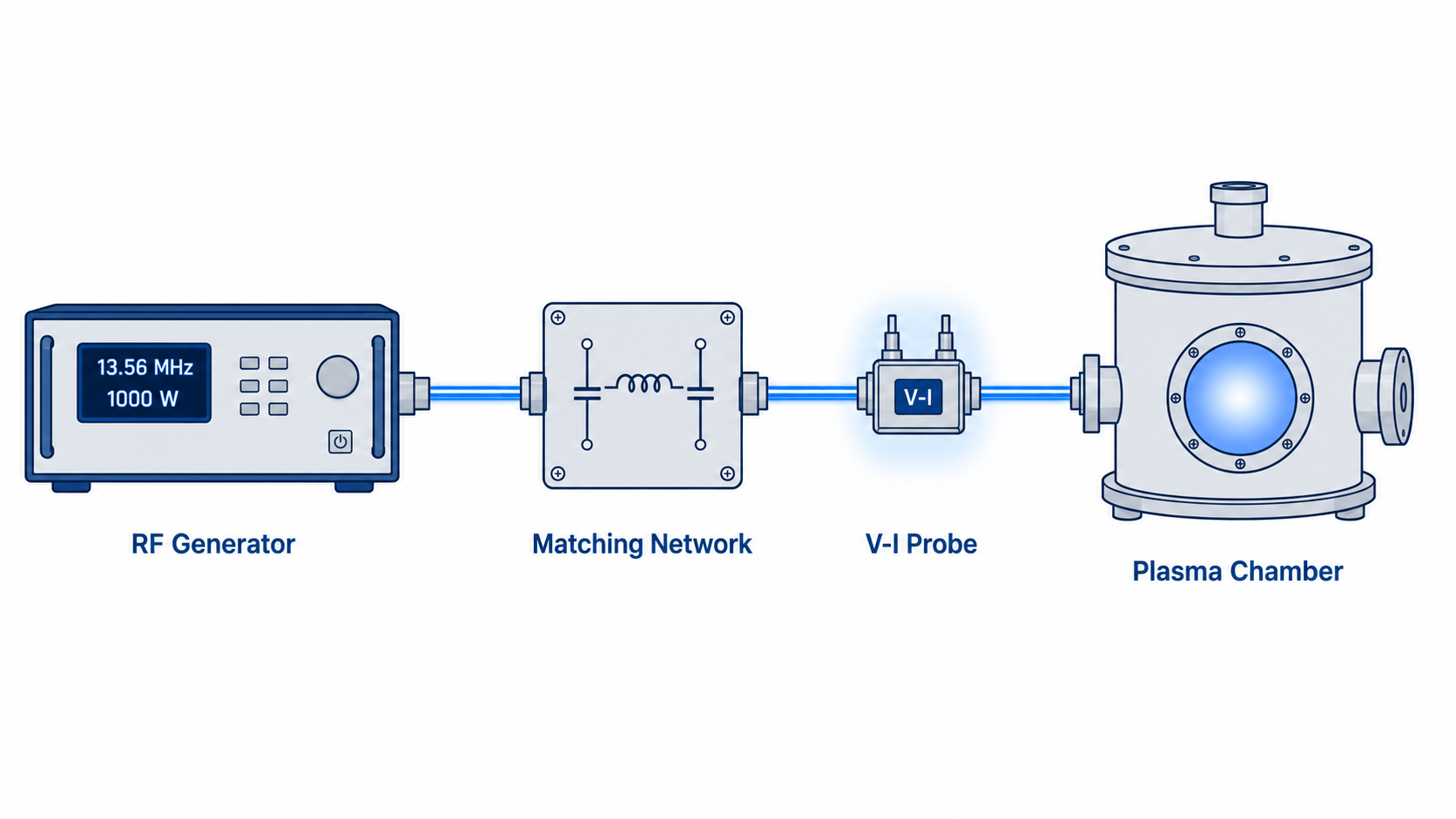
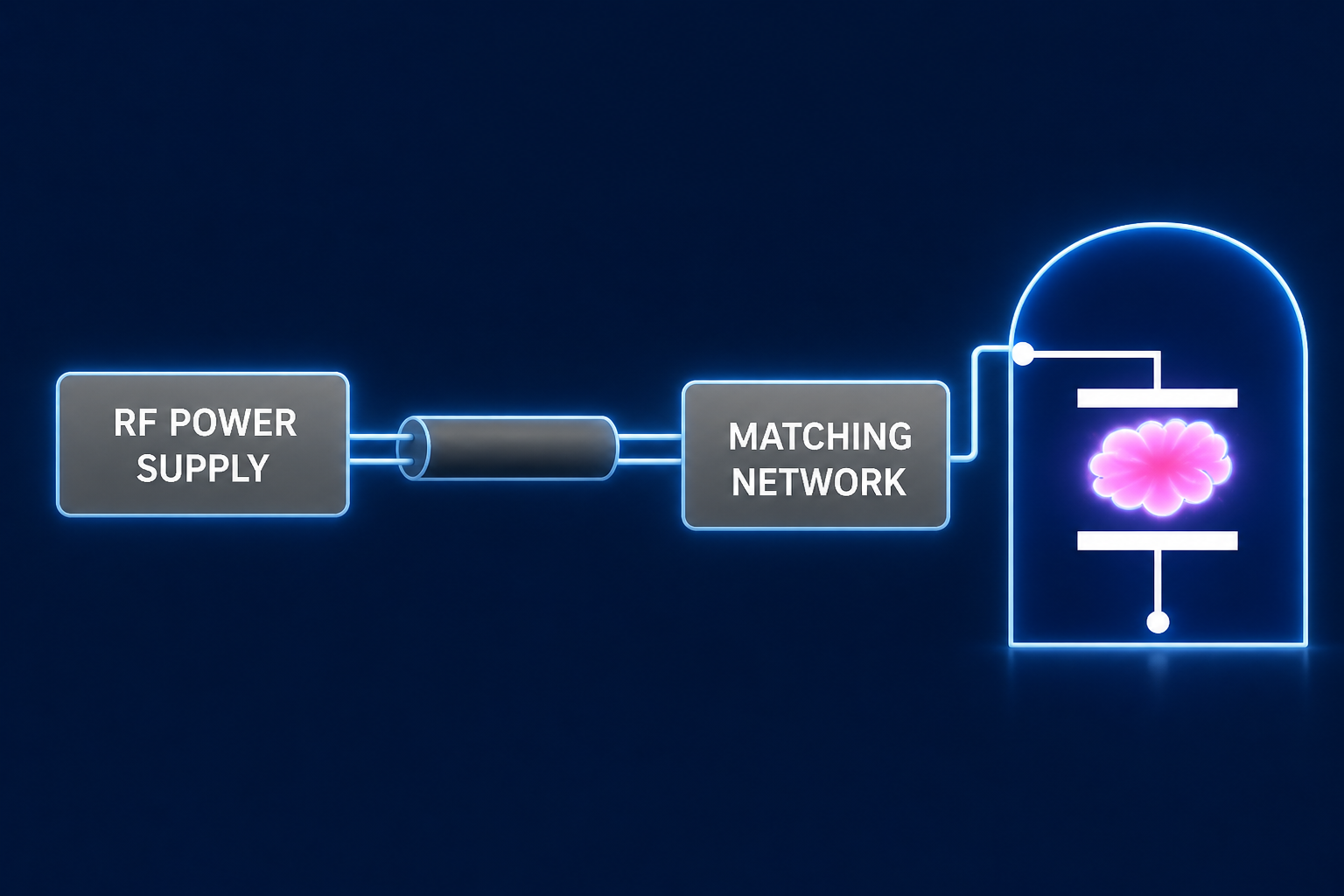
An RF generator, transmission line, matching network, and process chamber form the electrical system of the plasma processing tool. The portion of the circuit up to the matching network has a fixed 50 Ω characteristic impedance. The plasma is not a fixed 50 Ω load. It changes continuously as gas chemistry evolves, films deposit or etch away, and chamber conditions shift with each wafer processed.
Modern RF measuring processes add further complexity. Advanced tools can apply pulsed waveforms to improve etch profile control and generate power at two or three frequencies to control plasma density and ion energy. As a result, the chamber electrical environment can contain multiple generated frequencies, plus harmonics and intermodulation products generated by the nonlinear plasma.
Hidden chamber phenomena often go undetected without measurements. These include:
- Coating buildup on chamber walls alters RF coupling
- Chamber aging as surface conditions drift over time
- Parasitic plasma forming in unintended locations
- Transient instabilities that appear and disappear between measurement intervals
Each of these phenomena leaves a measurable signature on the plasma impedance. The plasma is an active electrical participant, not a passive endpoint. Without measurement in the plasma, these signatures remain invisible to the process engineer.
The Importance of External RF Power Measurements, But They Do Not Tell the Complete Story
Forward and reflected power measurements made upstream of the matching network are essential for process control. These RF measurements, based on a 50 Ω load, provide information on the power delivered to the matching network. Because plasma is not a fixed 50 Ω impedance, standard power measurements cannot provide accurate information about the plasma state. They cannot measure plasma impedance or the harmonic content inside the chamber.
Here is the fundamental problem: a matching network minimizes reflected power by adjusting to present a 50 Ω load to the generator. It can successfully hide plasma instability by compensating electrically while the process drifts. You can see stable power readings at the generator even as plasma impedance, ion energy, and process results vary significantly from wafer to wafer.
A stable power reading does not mean a stable plasma.
The Solution: In-Situ Plasma Impedance Measurement
Plasma chamber impedance directly reflects electron density, plasma-wafer interface (sheath) behavior, chamber condition, and process chemistry. The varying impedance measured in the plasma chamber reveals what is happening at any point in time.
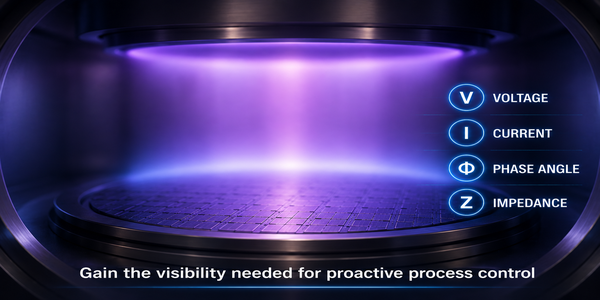
Impedance changes with the steps in the process recipe. Measuring voltage (V), current (I), and phase angle (Φ) in the plasma enables engineers to compute impedance and gain a complete electrical picture of tool performance that RF power measurements alone cannot provide.
Specific applications enabled by in-situ impedance measurement include:
- Low open area end point detection, where optical emission spectroscopy may fail, but RF signature changes remain detectable
- Plasma dicing control with precise edge termination
- Ion flux and energy trend analysis for etch rate and selectivity optimization
- Analysis of chamber wall condition and coating buildup
- Plasma arc detection to protect hardware and reduce unplanned downtime
Harmonic and intermodulation product analysis further extends diagnostic and analysis capability. Generated by the nonlinear plasma, they carry information about the sheath, plasma density, and chamber conditions that impedance alone does not reveal. Harmonic measurements, for example, are valuable for end point detection
Measuring impedance, harmonics, and intermodulation products allows engineers to create process signatures. By correlating these parameters with specific process steps, engineers build recipe-based reference signatures. For each process step, the engineers can define control limits around the V, I, phase, impedance, or harmonic readings to determine when corrective action is needed, preventing yield loss.
Bird Technologies Solution for Plasma Impedance Measurement
The BDS2 Bird Diagnostic System is an inline voltage and current probe designed for non-50 Ω RF environments. It brings metrology-grade RF measurement directly to the plasma chamber. The BDS2 supports multi-level pulse and CW waveforms in non-50 Ω environments where traditional 50 Ω instruments cannot operate accurately. The BDS2 simultaneously measures voltage, current, and phase angle at multiple fundamental, harmonic, and intermodulation frequencies with 1% accuracy. The instrument calculates impedance, RF power, return loss, and reflection coefficient at each measured frequency.
The BDS2 probe is placed at the input to the plasma chamber, enabling the measurement of the chamber’s impedance as it changes during recipe steps. These measurements provide insight into markers that allow for the identification of process control indicators such as drift, excursions, and recipe endpoints. Since the probe is at the input to the plasma chamber and not inside the chamber, the probe does not alter plasma impedance, ensuring that measurements reflect actual plasma conditions without disturbing the process.
Key measurement capabilities of the BDS2 system include:
- Measurement at the fundamental frequency, 4 harmonics per fundamental, and 6 intermodulation products per pair of fundamentals
- Support for up to 3 simultaneous fundamental frequencies
- Frequency range from 307 kHz to 252 MHz
- 100 Hz update rate for real-time process monitoring
- Pulsed RF waveform analysis with 2 GHz/slew rate and 500 ns time resolution
- Ethernet connectivity for integration into fab data systems
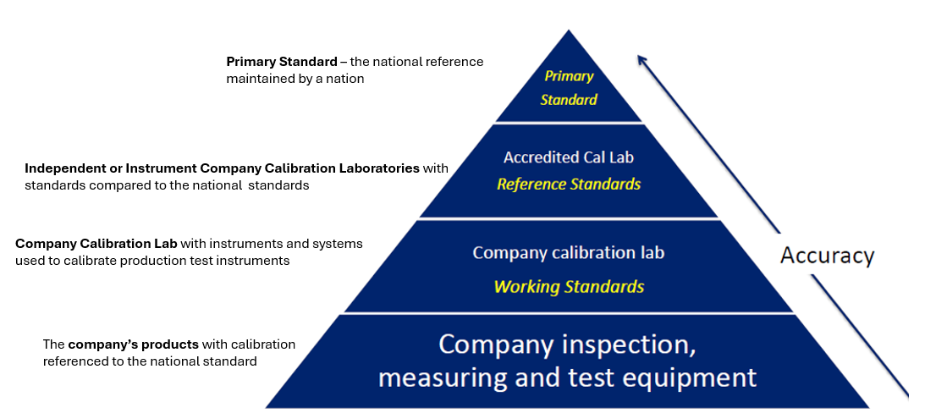
- NIST-traceable calibration
Creating accurate process signals requires an instrument that is properly calibrated. A Metrology Grade RF Calibration Cart ensures NIST-traceable calibration for the BDS2.
Conclusion: Monitor and Control the Plasma, Not Just the RF Power
Your generator can deliver the specified power. Your matching network can show low reflected power. Your process can still drift out of specification. Plasma impedance reveals what power measurements cannot: the condition of the plasma, the dynamic behavior as chemistry evolves through each process step, and the subtle signatures that indicate when something is about to go wrong.
With in-situ impedance monitoring, semiconductor fabs gain the visibility needed to move from reactive troubleshooting to proactive process control. The result is tighter process windows, better tool-to-tool matching, faster excursion response, and improved yield.
Ready to See Inside Your Plasma Chamber?
Contact the Bird Application Engineers to discuss how in-situ plasma impedance measurement can be applied to your specific etch and deposition processes for improved yields.
Nik is a Product Manager at Bird, focusing on our Precision RF Power Sensor and Precision V-I-Φ Measurement product offerings. These solutions encompass Bird’s most advanced and accurate measurement devices and are utilized in semiconductor fabs and foundries worldwide.
Explore Posts by Topic:
Products Featured:
Contact an RF Expert at Bird
Connect with a solutions expert for knowledgeable guidance.