Search for topics or resources
Enter your search below and hit enter or click the search icon.
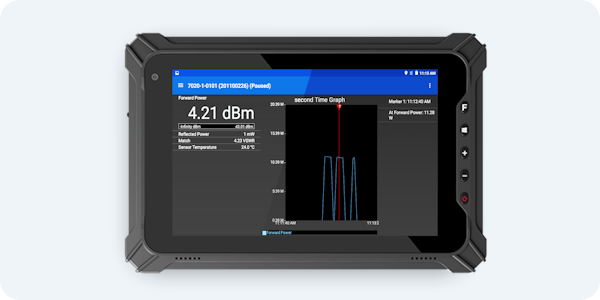
Designed for ease of use and dependable performance, these power meters deliver high-resolution, real-time readouts with intuitive interfaces that keep you focused on the job—not the setup. With compatibility across Bird’s full family of Inline Sensors, you get a seamless measurement system that works wherever RF power matters most.

In RF environments, there's no room for guesswork. A small error in power measurement can lead to system inefficiencies, equipment damage, or costly downtime. Whether you’re maintaining a public safety network, broadcasting a live event, or running an RF test bench, your entire operation depends on getting accurate, real-time data you can trust.
Without the right power meter, you’re flying blind. And in high-stakes RF systems, that’s a risk you can’t afford.
Get the clarity you need — talk to a Bird expert today.