Critical communication systems are expected to work, without warning and without failure. But most system managers only see what’s happening when they’re on site or after users report a problem.
RF remote monitoring helps close that visibility gap by providing insight into system performance between site visits, allowing issues to be identified earlier before coverage, reliability, or service is impacted.

Radio system managers rely on scheduled field testing, routine maintenance, and user feedback to assess system health. These practices are essential—but they leave gaps between site visits.
Without continuous monitoring, by the time a technician is dispatched the site may already be operating below acceptable performance levels.
In critical communications, the biggest risk isn’t failure—it’s discovering problems late.
Many radio system managers don’t realize their system has degraded until it’s already impacting users. At that point:
RF remote monitoring shifts the focus from responding to failures to detecting change early.
See how continuous monitoring reveals problems earlier.
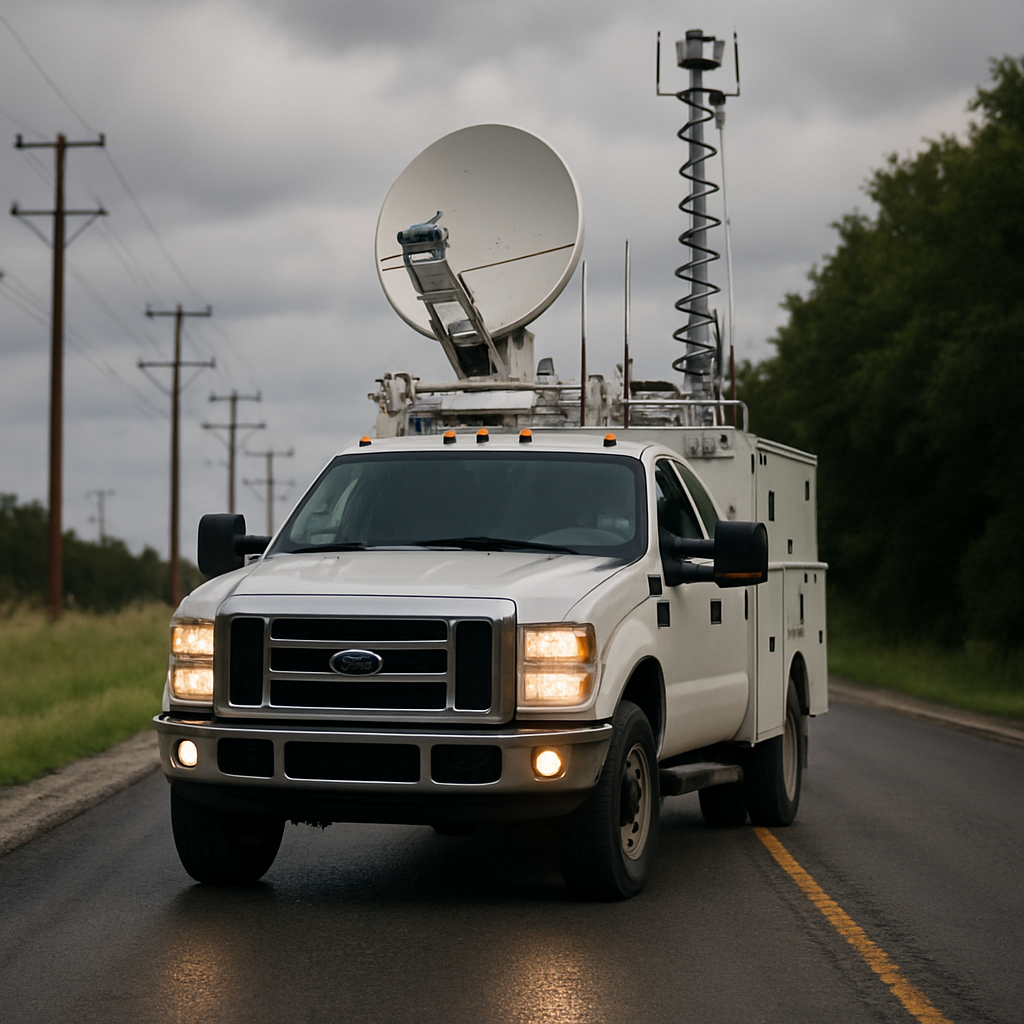
Antenna system degradation (TX + RX):
Without visibility into the antenna system and RF path, teams can miss early warning signs until performance declines. RF remote monitoring helps detect change early, prioritize maintenance, and reduce avoidable truck rolls.
Rather than relying solely on periodic testing or user complaints, system managers get data that supports planned action instead of emergency response.
In critical communications—especially across geographically dispersed sites—RF monitoring is a common approach that enables flexible deployment and helps teams detect change earlier as systems evolve.
When implemented correctly, RF remote monitoring helps organizations:
For many teams, the biggest benefit is simply knowing when something has changed, instead of finding out after the fact.
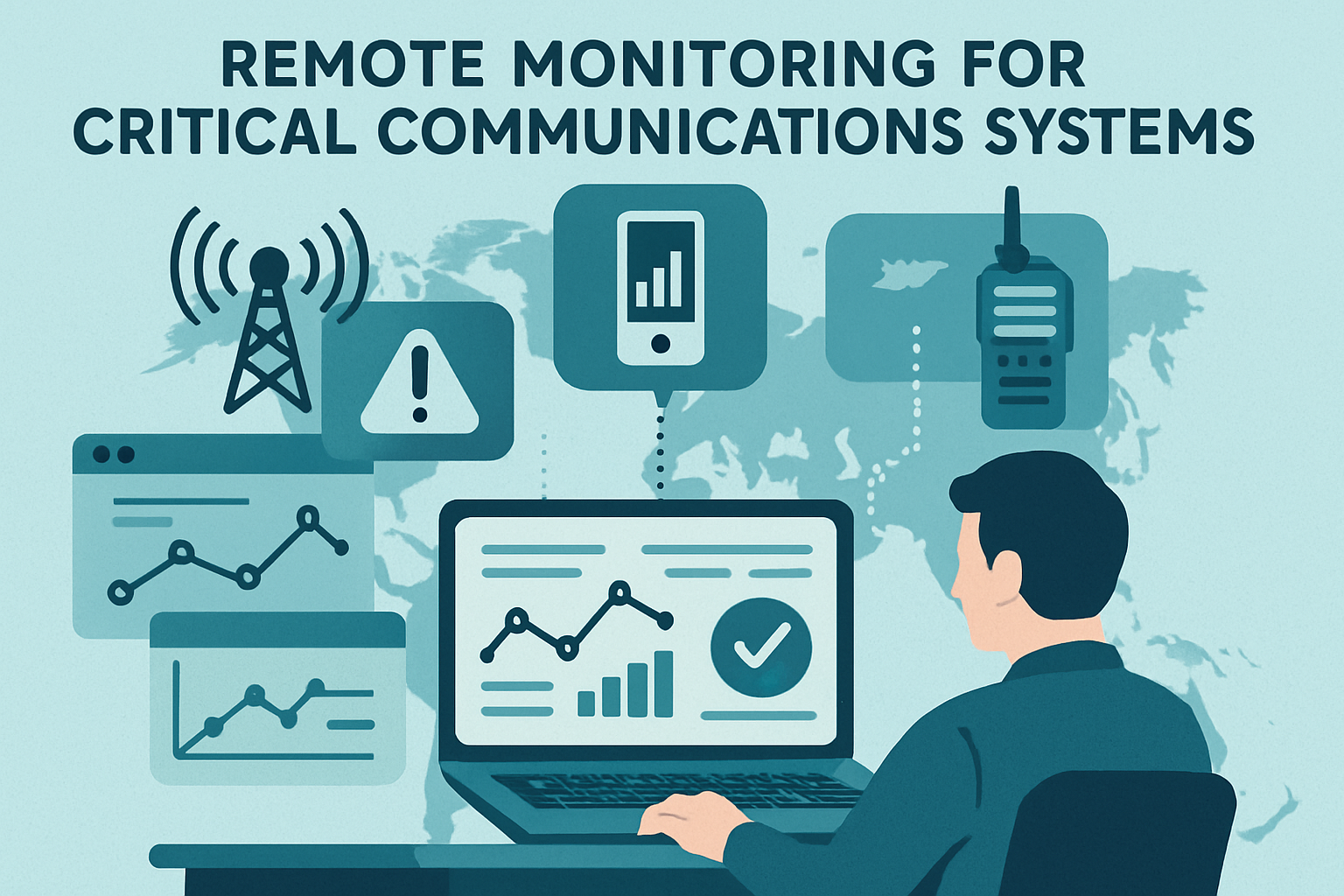
Every RF system is different. Not every site requires the same monitoring approach—and it’s normal to have questions about which measurements and sensor placement make the most sense.
Bird works with system owners and operators to:
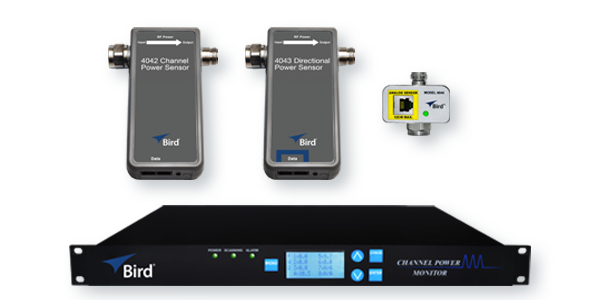
Depending on the system, this can include receive-path visibility using tools like the Bird 4046E, which helps teams detect gradual change early. The right approach depends on your network—and Bird can help define it.
Have more questions? Get Expert Help>
No. Remote RF monitoring is designed to complement existing maintenance practices, not replace them. Ethernet-based monitoring systems integrate into standard network environments and can be tailored to the needs of each site.
No. Field testing is still essential for installation, validation, and troubleshooting. remote RF monitoring provides visibility between site visits, helping identify changes early and prioritize where field work is needed.
No. Most system managers don’t start with a defined monitoring plan. Bird works with you to evaluate your system and recommend what to monitor based on risk, site configuration, and operational goals.
No. Remote monitoring can be applied to individual sites or scaled across a network. The approach depends on system complexity, criticality, and operational requirements.
Transmit monitoring provides valuable information, but it doesn’t reveal issues developing on the receive path. Receive-side degradation often occurs gradually and without alarms, making additional monitoring critical for early detection.