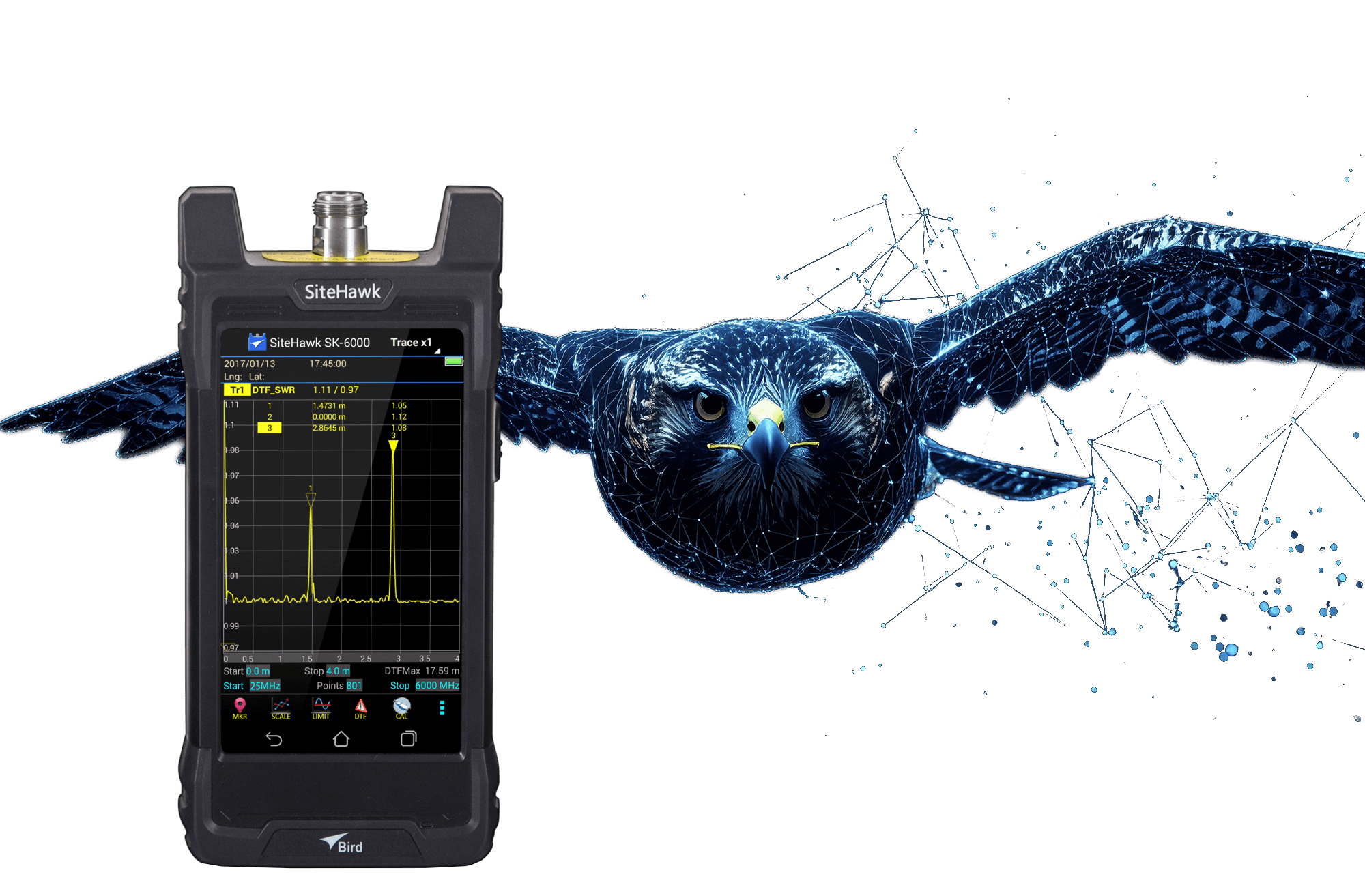
Simplify field testing with the Bird SiteHawk® Cable and Antenna Analyzer — the ultimate portable solution for complete RF system tuning
Modern RF communication systems demand reliable cable and antenna performance to ensure coverage, minimize signal loss, and prevent downtime. Faults — whether from cable damage, poor connectors, or mismatched antennas—cause signal degradation, dropped coverage, and system failures.
Technicians work under time pressure in rugged environments with limited space for measurement instrumentation. The need for multiple instruments slows troubleshooting and compromises safety when working on a tower or in a confined space.
SiteHawk eliminates these challenges by combining all essential RF testing capabilities in a single, lightweight instrument designed specifically for field use by personnel with limited knowledge of RF test technology.
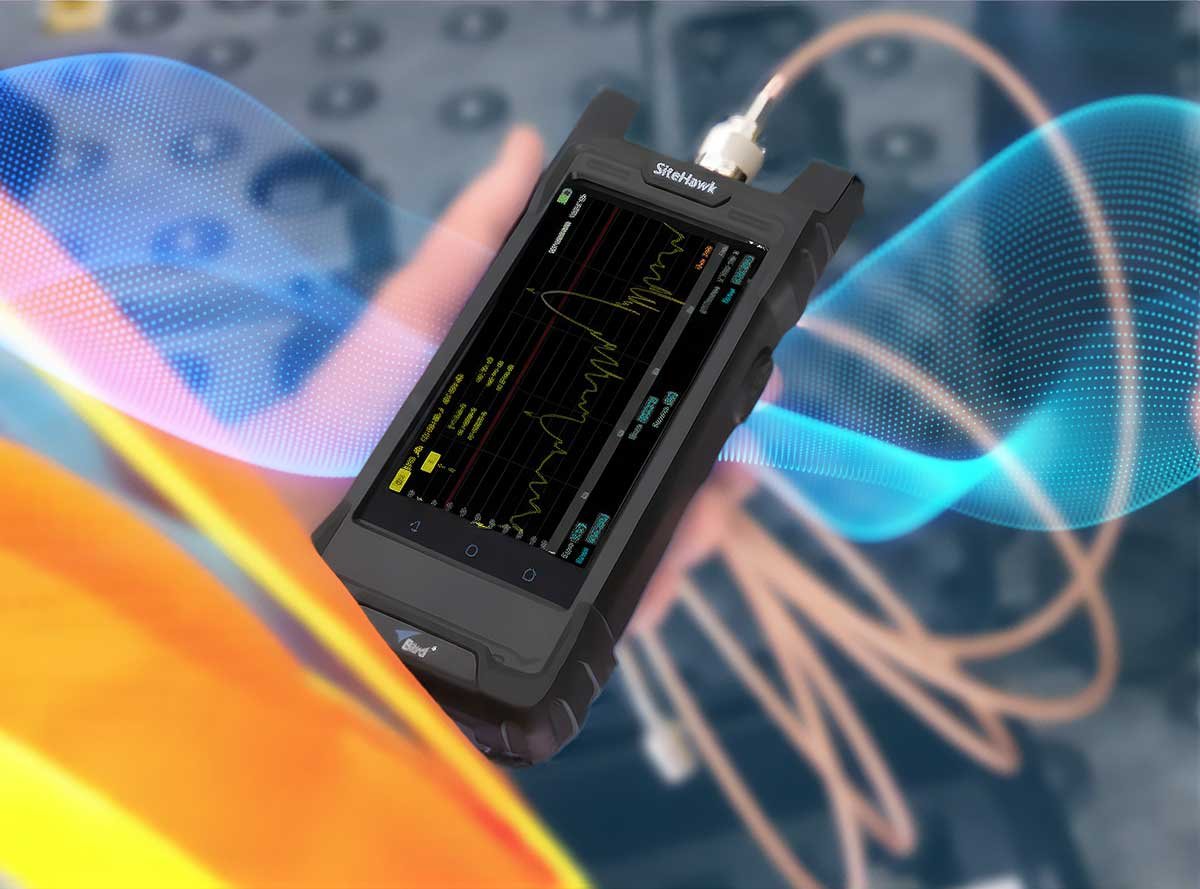
Comprehensive Cable + Antenna Testing = Time Savings and Accuracy
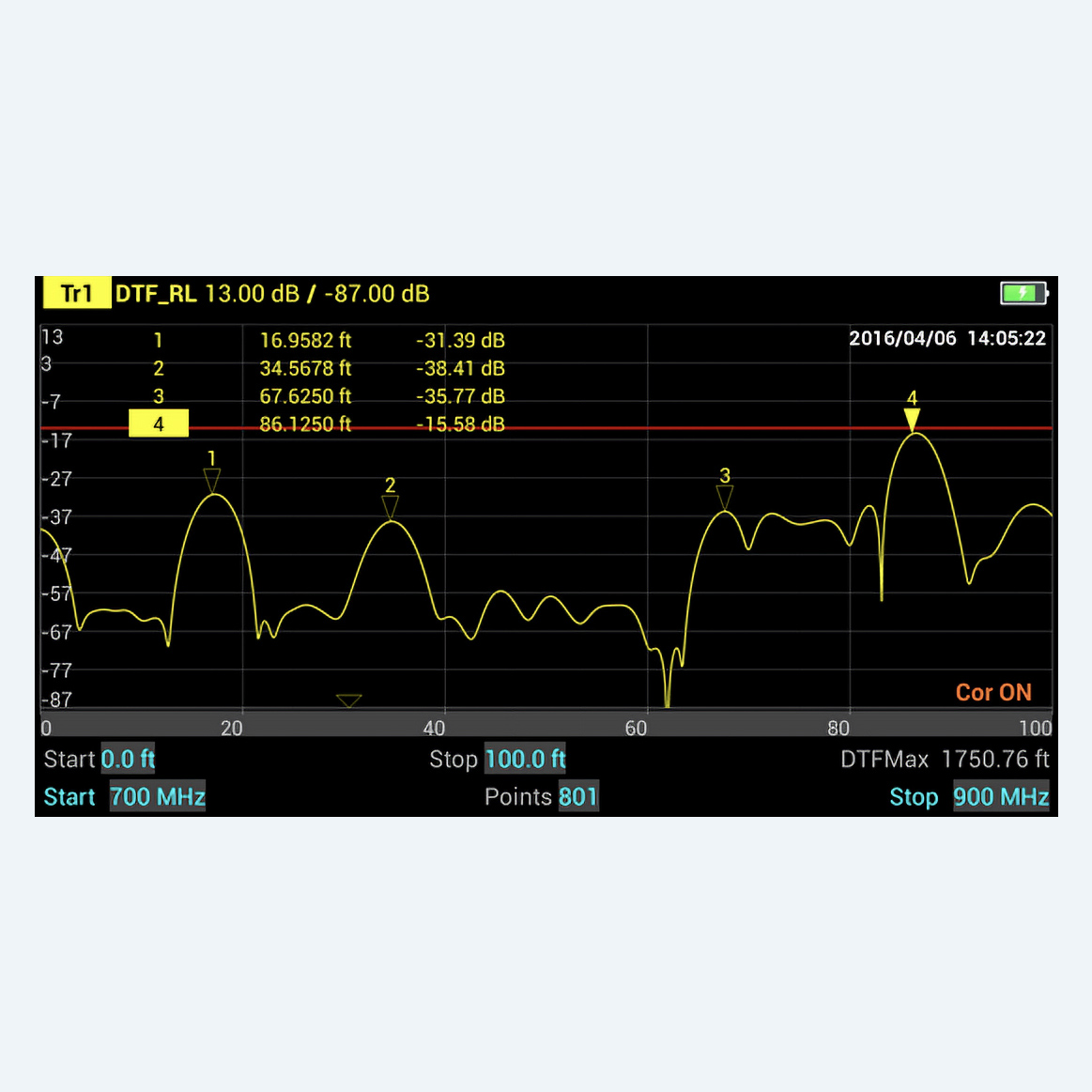
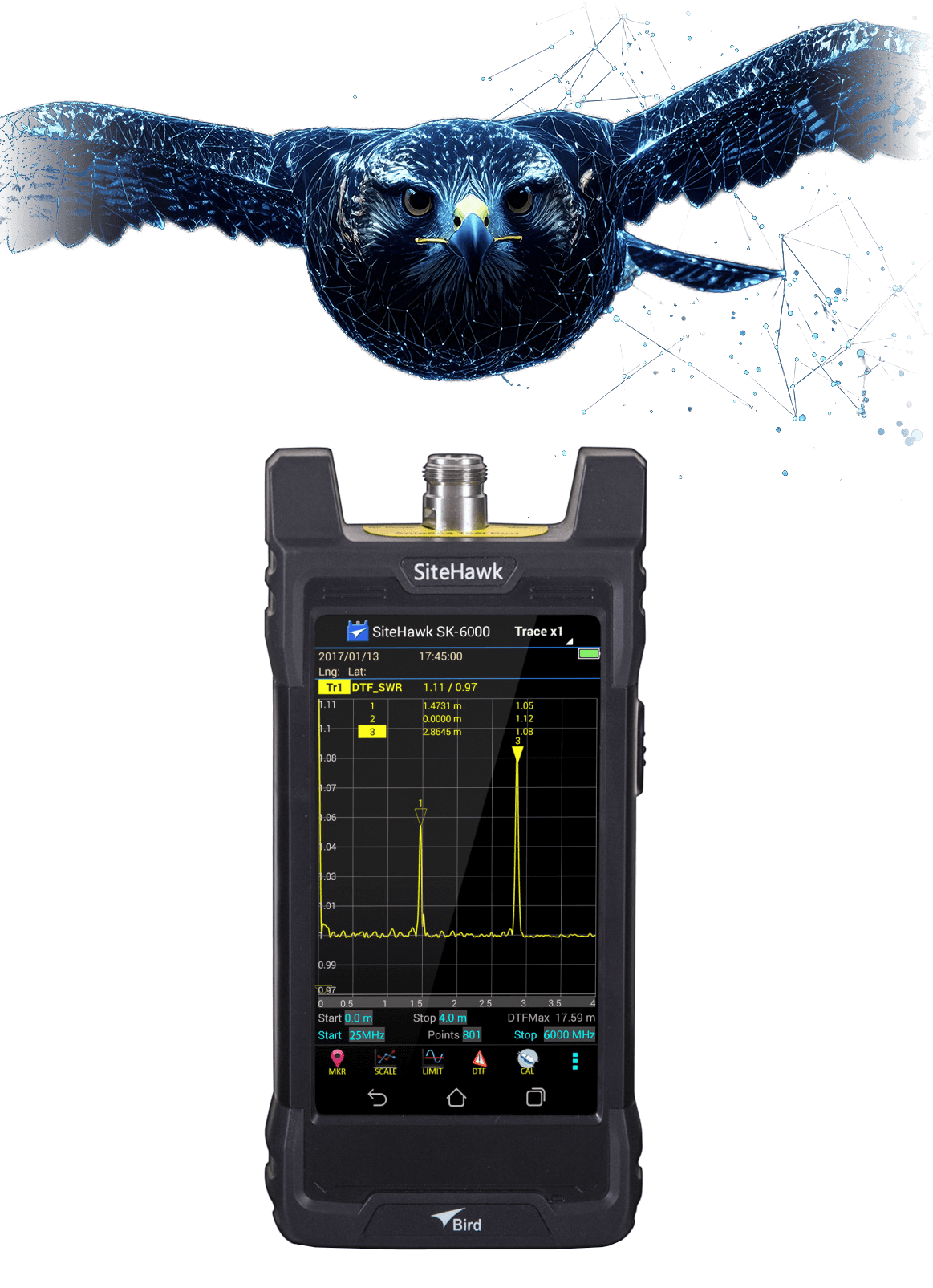
SiteHawk measures insertion loss and detects faults in cables as long as 5,000 ft. The instrument has a distance-to-fault (DTF) function that detects and locates cable faults and connector issues using frequency domain reflectometry (FDR). Wide frequency coverage ensures testing at operating frequencies, improving diagnostic accuracy.
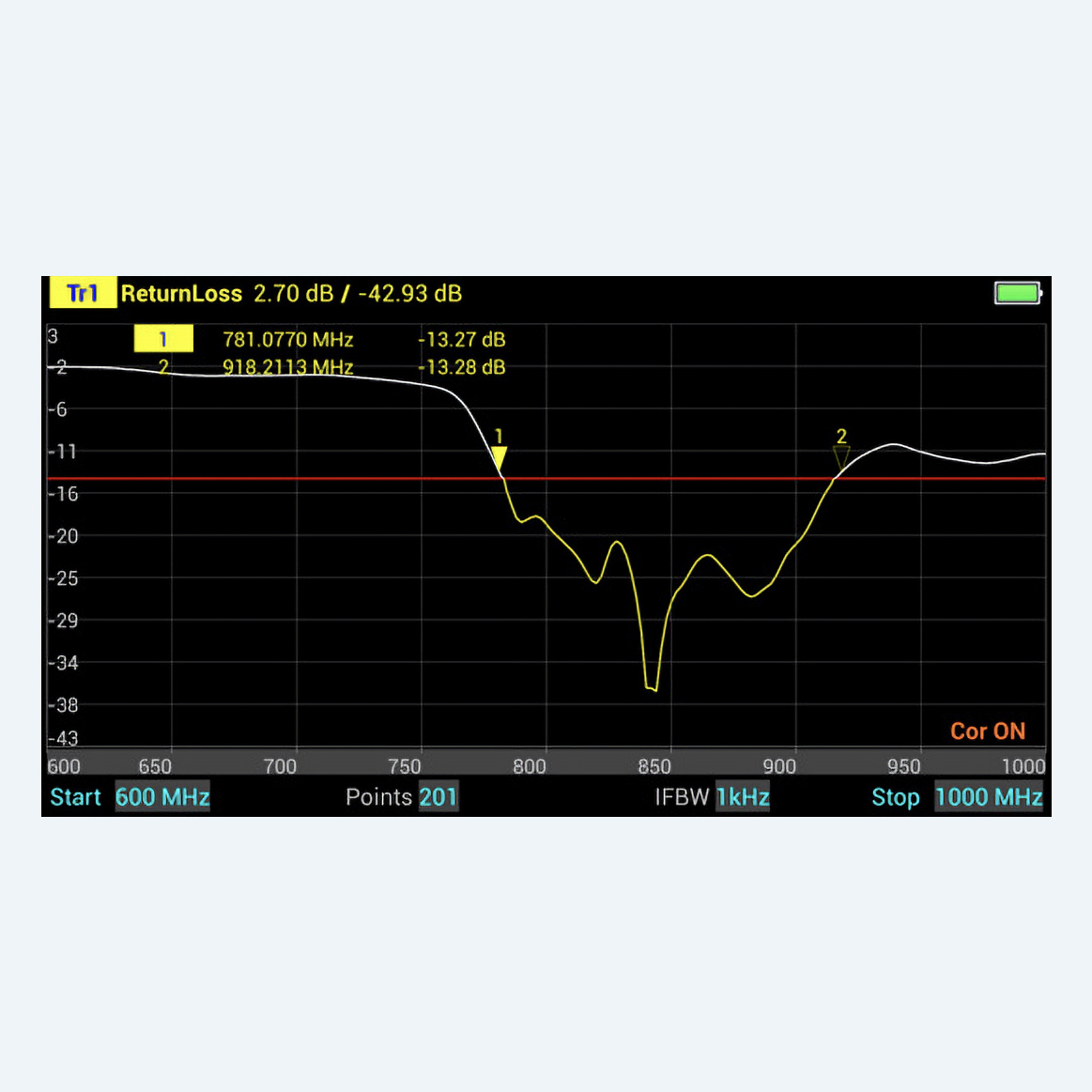
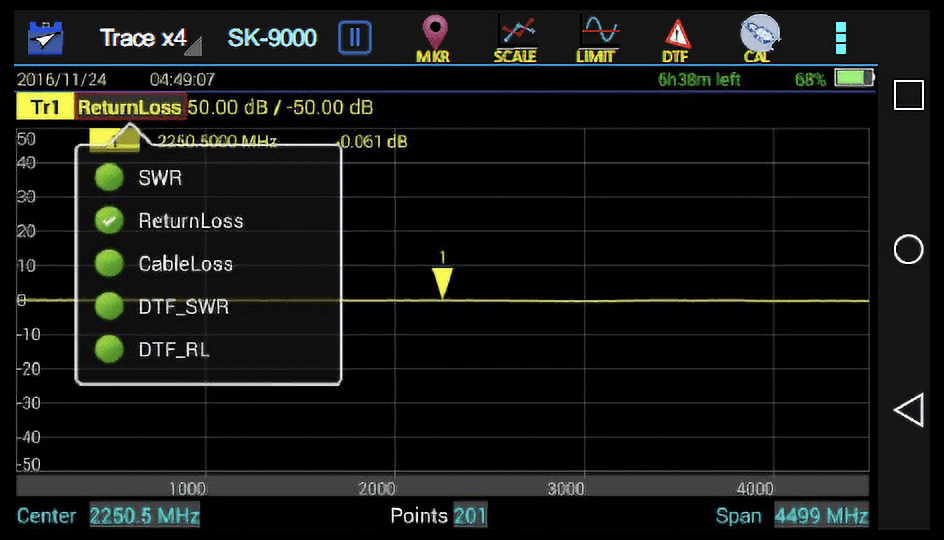
SiteHawk measures VSWR and return loss to ensure optimal transmission. It characterizes system impedance to detect mismatches before they cause performance issues. SiteHawk verifies antenna matching across the communication system’s entire operating frequency range.
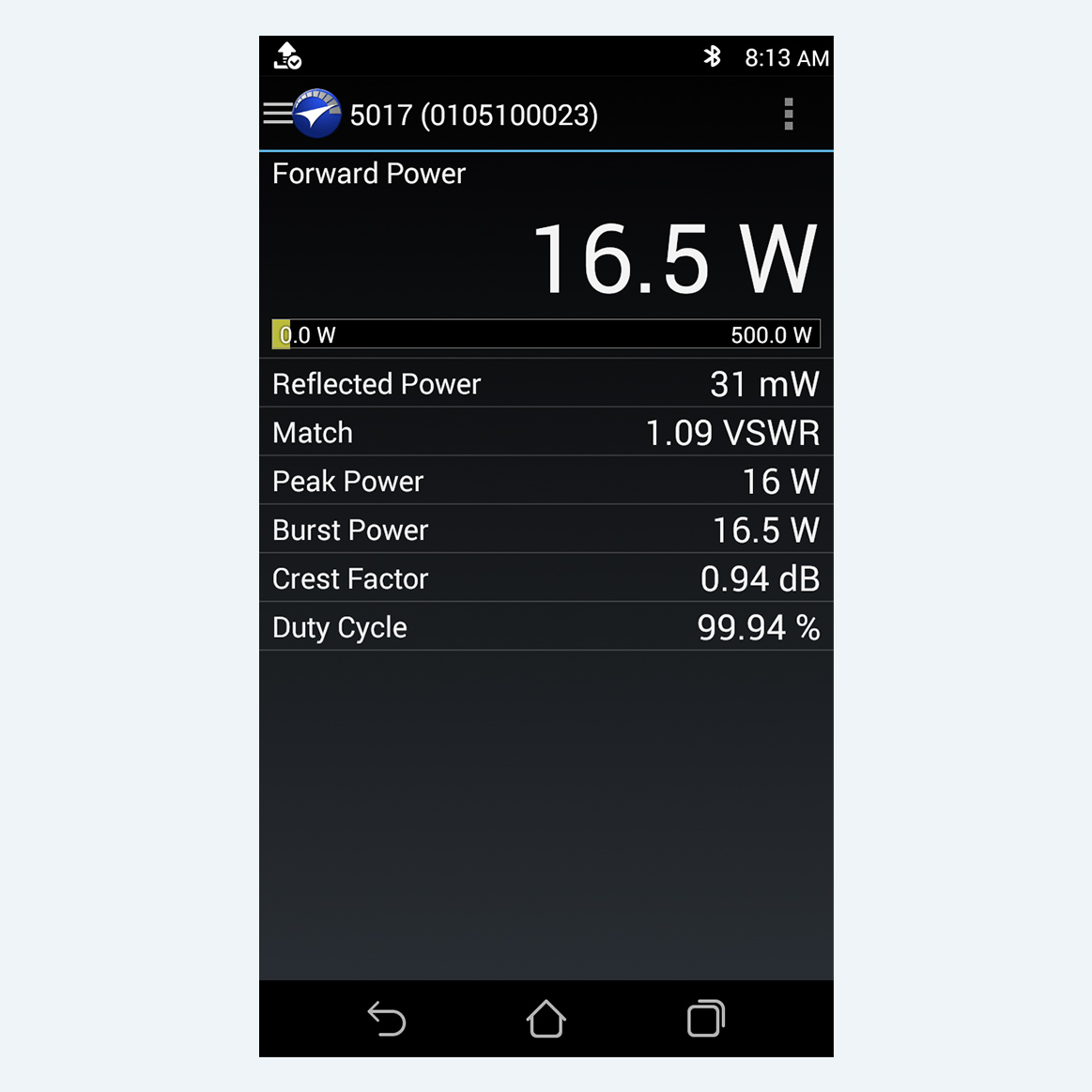
Add a Bird wideband RF power sensor for accurate forward and reflected power measurements. Power measurements enable complete RF system verification in the field, confirming actual transmitted power and system efficiency.

SiteHawk eliminates the need for multiple instruments and setups. It reduces test time, minimizes error sources, and enables a holistic view of system performance in real-world conditions.
SiteHawk uses Frequency Domain Reflectometry (FDR) for distance-to-fault measurements, which sweeps across frequencies and analyzes reflections in the frequency domain. Traditional Time Domain Reflectometry (TDR) sends a single pulse and analyzes reflections in time.
Detects subtle impedance mismatches that TDR might miss
Maintains accuracy over long distances and in high-loss environments
Reveals issues that only occur at specific operational frequencies
Pinpoints problems up to 5,000 ft with superior resolution
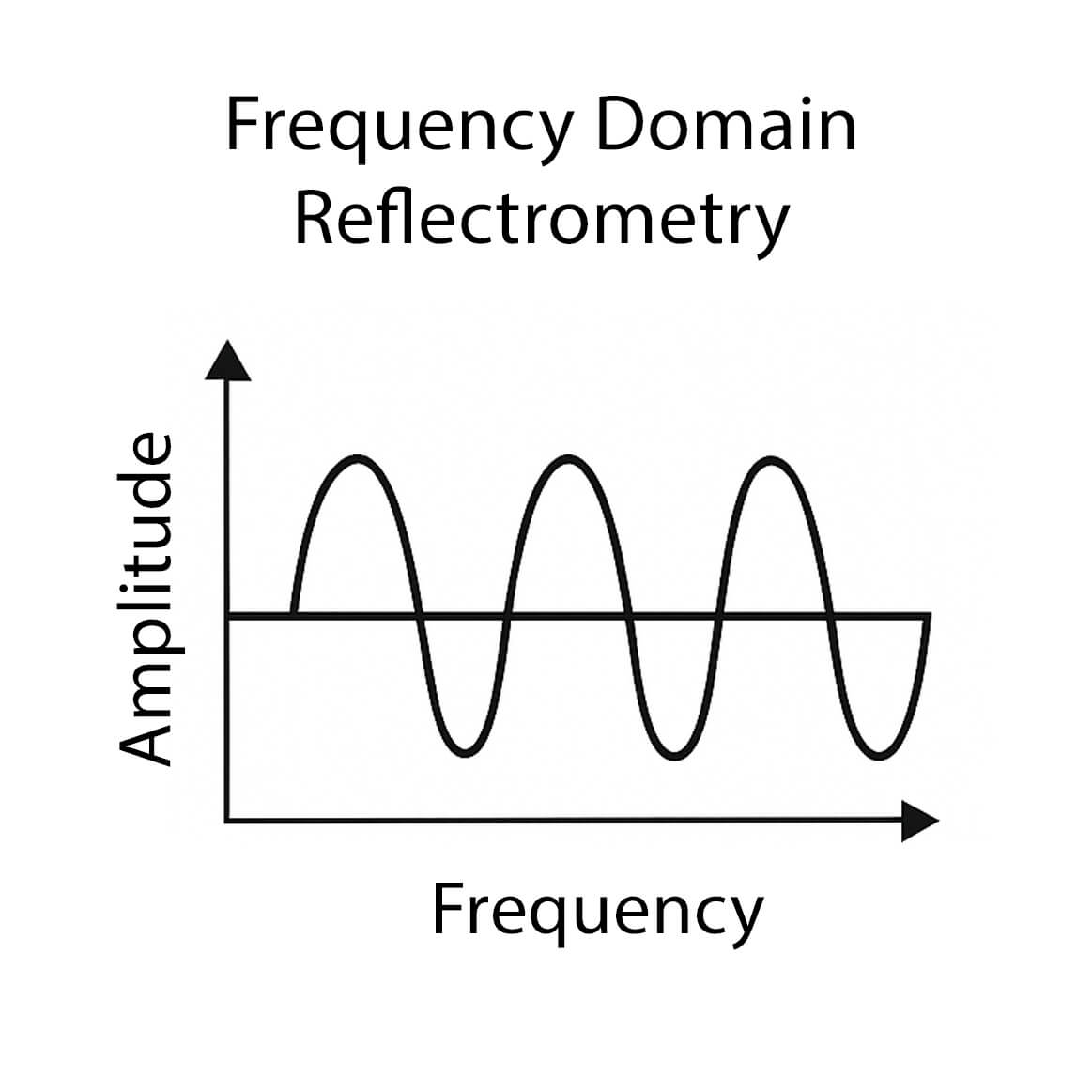
Provides more information at all frequencies
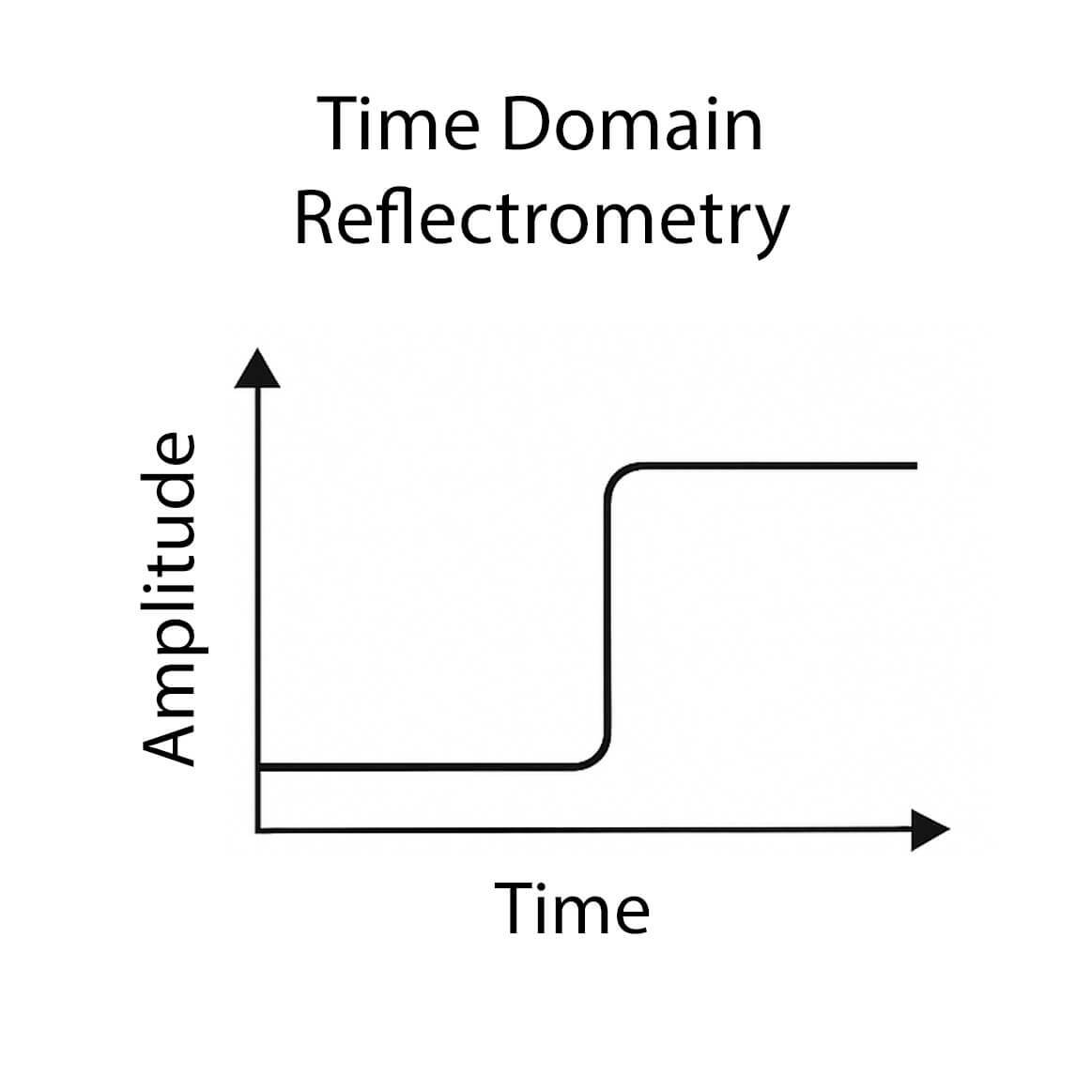
Limited to the primary frequency component of a pulse
FDR technology delivers excellent performance for 5G, satellite, and tactical networks that operate across wide frequency bands, providing superior diagnostic resolution compared to TDR methods.
Designed specifically for use in the field, SiteHawk has these features:
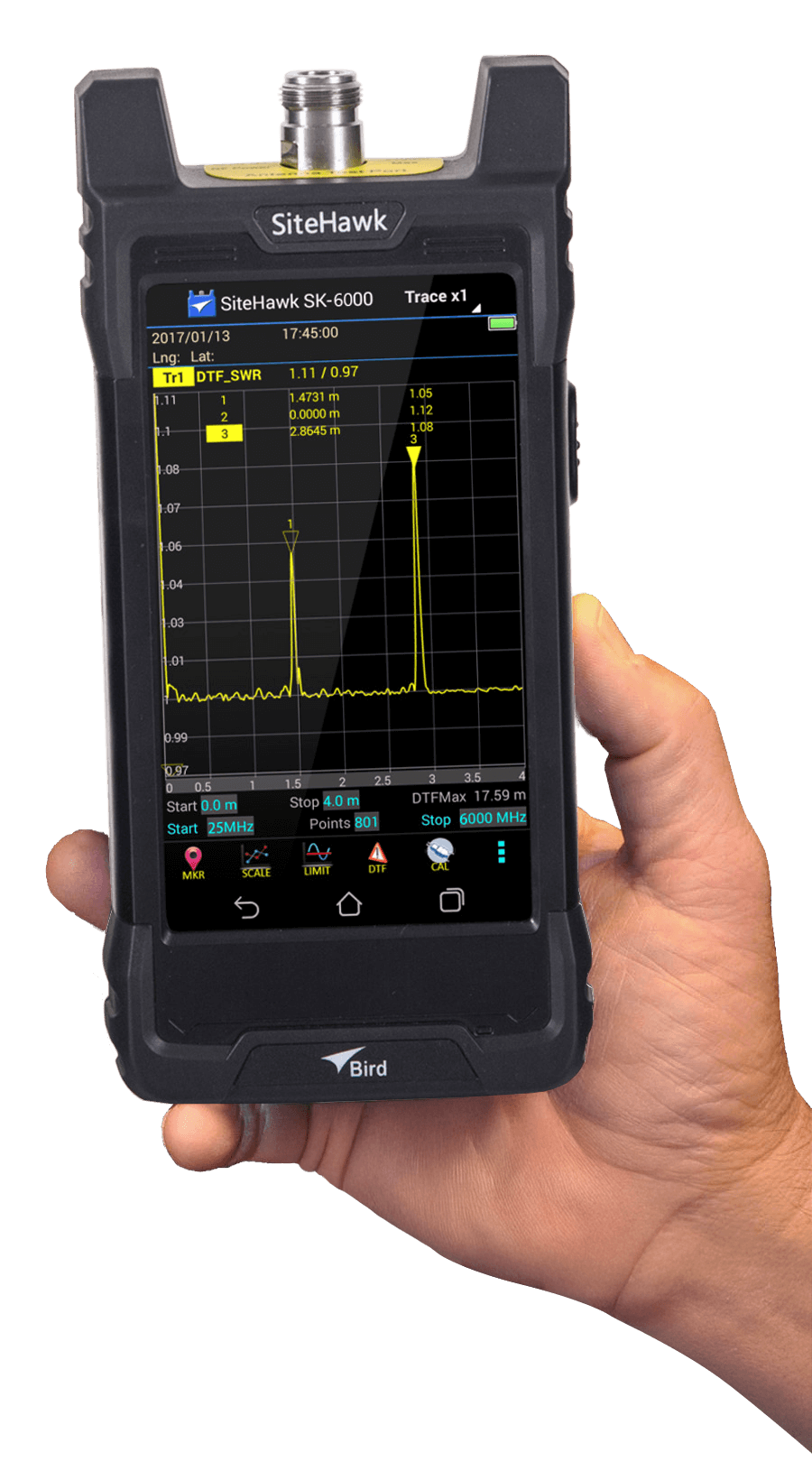
for easy carrying and holding in one hand
Weight: 1.98 lb (0.9 kg) — up to 4× lighter than competitors
Dimensions: 7.7 in × 3.6 in × 2.4 in (195 mm x 90 mm x 60 mm) — not much larger than a mobile phone
for use in harsh field environments
Operates from -10°C to +55°C
Hard and soft carrying cases included
for full-day testing without interruption
10 hours typical operation per charge — twice as long as competitors
for easy viewing and simplified interpretation of results
5.5 in touchscreen display with 720 pixel resolution
Multi-language support (English, Chinese, Spanish)

SiteHawk's field-optimized design enables technicians to work more safely and efficiently, whether installing cellular base stations, maintaining public safety networks, or deploying military tactical systems.
Mobile phone operational simplicity allows technicians to set up tests easily without having to understand vector network or FDR measurements. A single tap selects a test. A few additional taps define the frequency range for the test and the number of data points to display.
Technicians can set limit lines or overlay known good data for analyzing cable and antenna data. This information enables easy interpretation of test results and easy identification of faults.
Preconfigured setups and comparative data presentation reduce training time and operator error. Technicians focus on completing work rather than configuring complex measurement parameters.
On-site calibration ensures the most accurate measurements. A calibration combo, including an open, short, and a 50 Ω load, comes with every SiteHawk analyzer. A simple setup on the SiteHawk display allows technicians to quickly and easily calibrate the instrument. Technicians can be confident that they are obtaining reliable data regardless of environmental conditions.
See: How to Calibrate a Bird SiteHawk
SiteHawk can store thousands of traces and setups. The instrument can easily transfer measurements to a PC for reporting and analysis with either a USB drive or Bluetooth. The connectivity provides permanent documentation for compliance and quality assurance.
Learn: How to Save Test Results From SiteHawk to a USB Drive

SiteHawk has three models covering three different frequency ranges:
1 MHz – 4.5 GHz, covering most cellular, LMR, and wireless applications
1 MHz – 6 GHz, providing extended coverage for advanced wireless systems including Wi-Fi 5 GHz band
1 MHz – 9 GHz, including C-Band (4–8 GHz) coverage for satellite and advanced applications
These models enable use of SiteHawk for:
Testing 3G, 4G LTE, and 5G network infrastructure
Maintaining critical communication systems for first responders
Ensuring reliable tactical communications
Testing SCADA networks and remote monitoring equipment
Verifying long transmission lines
Maintaining ground stations
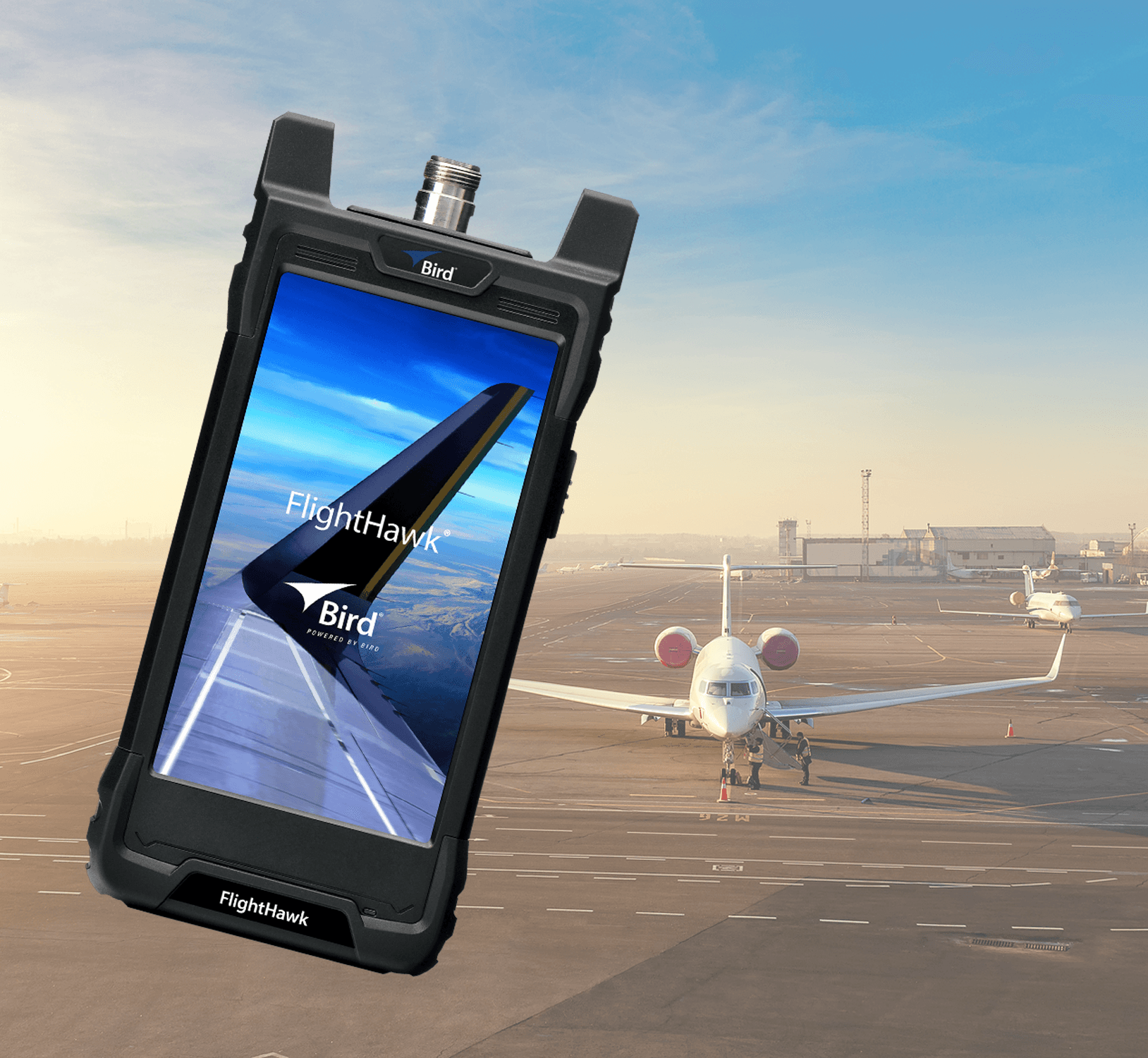
FlightHawk has specific features for commercial and civil aviation systems. Frequency coverage is optimized for aviation communication and navigation bands.
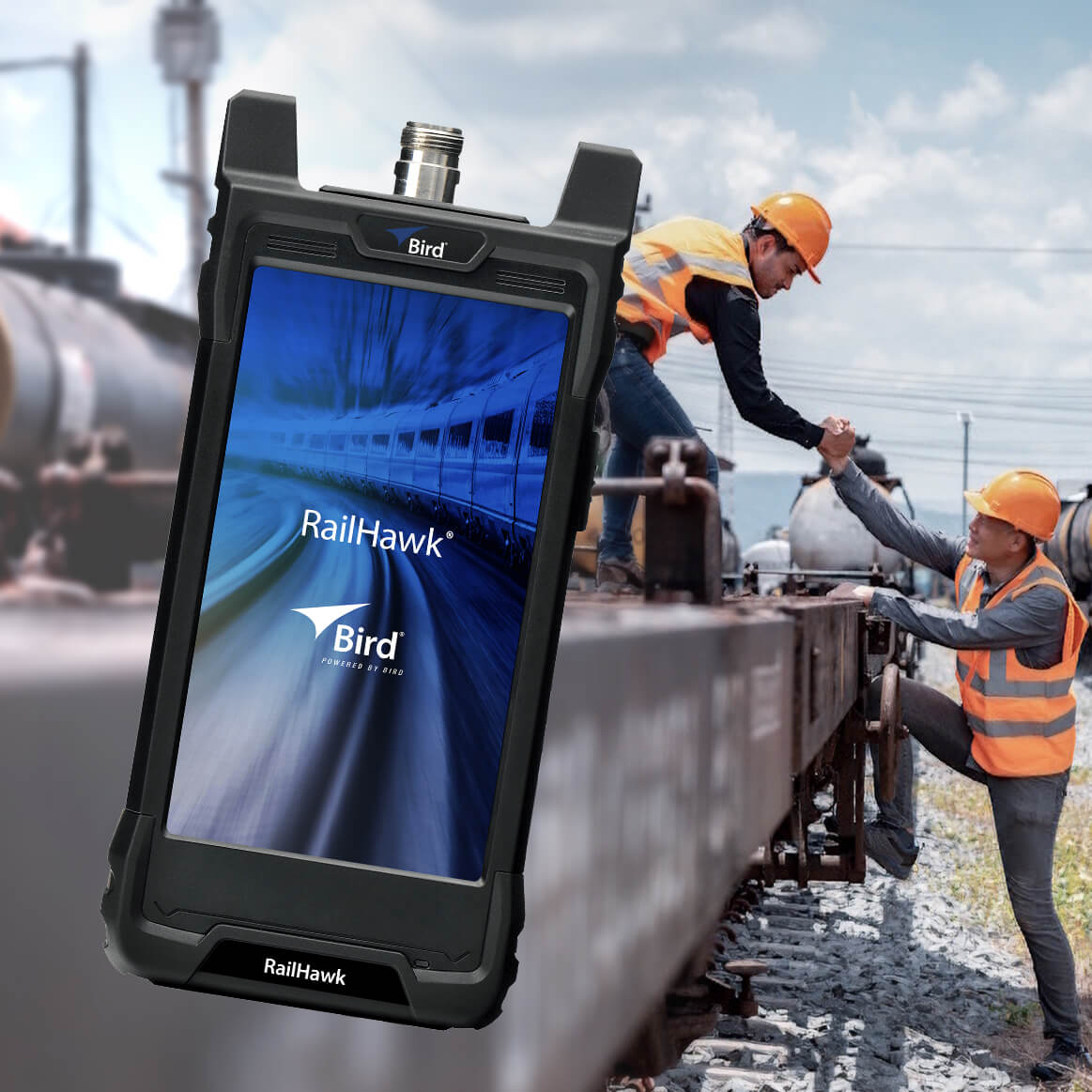
RailHawk has specialized features for railroad communication system testing. This model addresses unique railway requirements, including testing safety-critical controls, telemetry controls, and positioning and timing systems.
Have more questions? Get Expert Help
Fundamentally, the Sitehawk performs 3 different types of measurements: cable loss, impedance v. frequency, and Distance to Fault via Frequency Domain Reflectometry (FDR). Where applicable, results can be returned in VSWR or Return Loss.
Your SiteHawk comes with an Open-Short-Load Calibration Combo. The SiteHawk needs a measurement calibration (also known as a field calibration) with the Combo when changing frequency ranges. Your SiteHawk should get a factory calibration at least once every 3 years.
Request a Factory Calibration Quote
This depends on a few factors: the propagation velocity of your cable, the loss of your cable, and the frequency span of your measurement. Unless your cable lengths are >1 km, you shouldn't even need to worry about this.
If you do need to worry about this, contact our team of experts for help calculating your max distance.
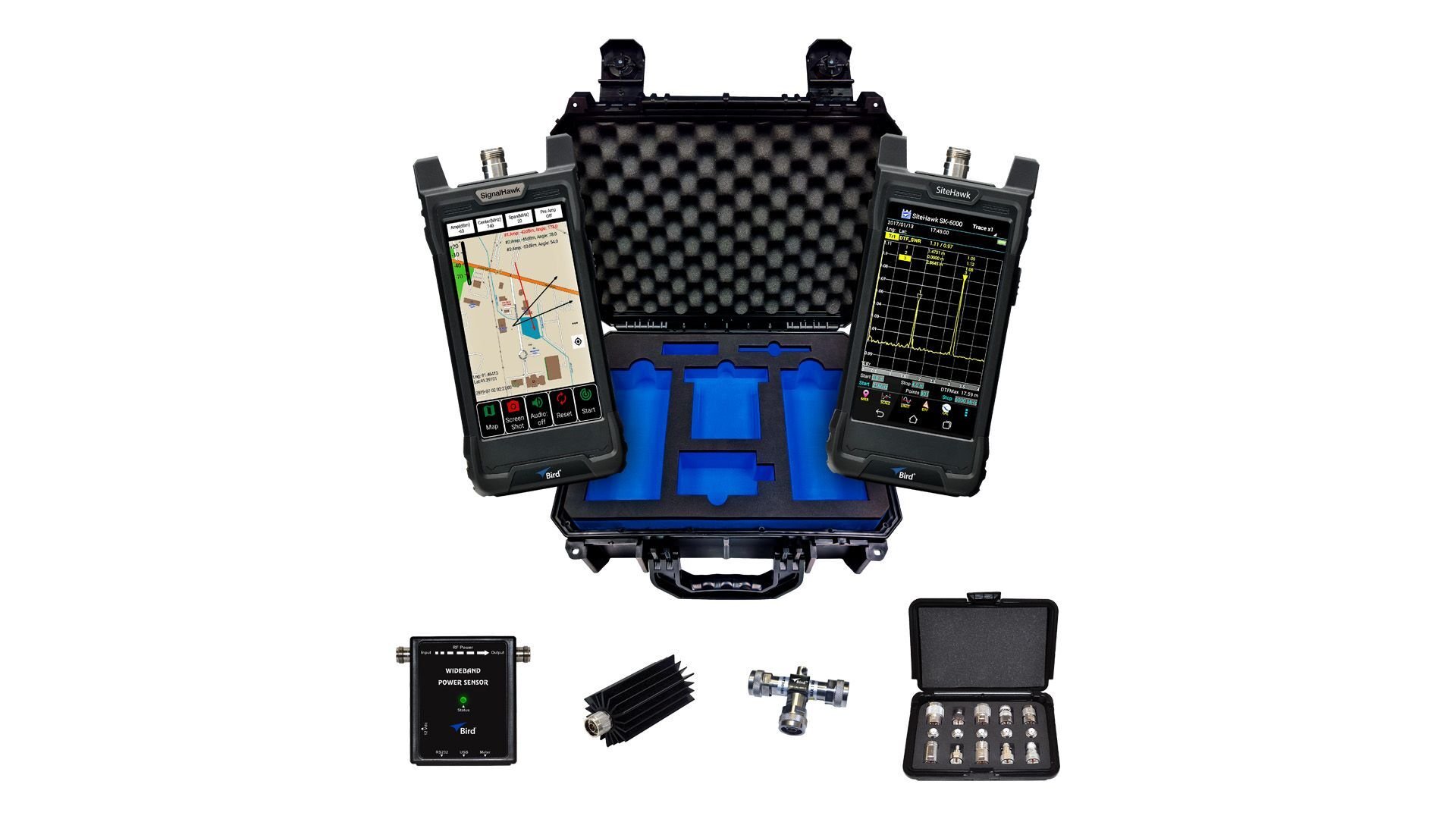
Bundle the SiteHawk models with calibration and accessory kits for a turnkey field solution. Complete kits include everything needed for immediate deployment: one or two analyzer instruments, a Bird wideband power sensor, calibration standards, a cable, carrying cases, and adapters.
Pre-configured kits eliminate the guesswork in ordering and ensure technicians have all necessary components for comprehensive field testing.
Explore Kit Options: View RF Analyzer Test Kits

Have more questions? Get Expert Help

Yes! If you need a specific configuration, contact our Sales team and we’ll see what we can do together.
The FlightHawk and RailHawk kits include adapters commonly used in the aviation or rail industries including ARINC 600 for FlightHawk and 4.3/10 or 7/16 DIN for RailHawk. The SiteHawks themselves include special cable lists for those industries.
Bird RF Loads are used to safely dissipate RF power, they are also 50 Ω to ensure minimal reflected power. A convection air cooled load is included in most kits, making it easy to attach to any signal source. Bird loads are fully shielded to prevent any extraneous radiation that may affect measurements with a SiteHawk or SignalHawk.