
Search for topics or resources
Enter your search below and hit enter or click the search icon.

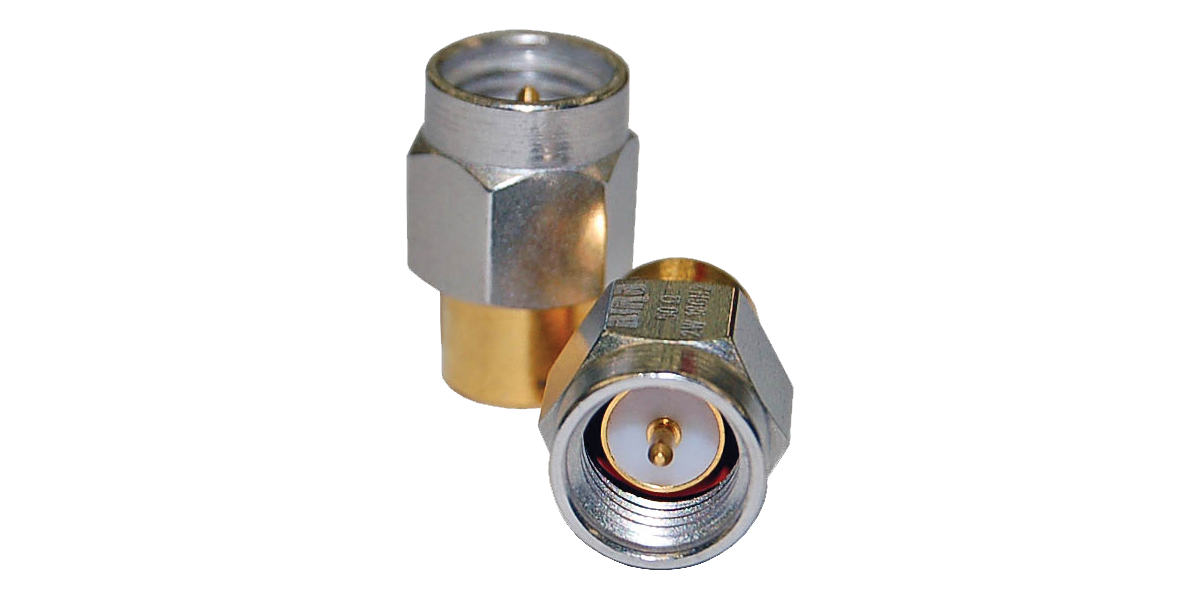
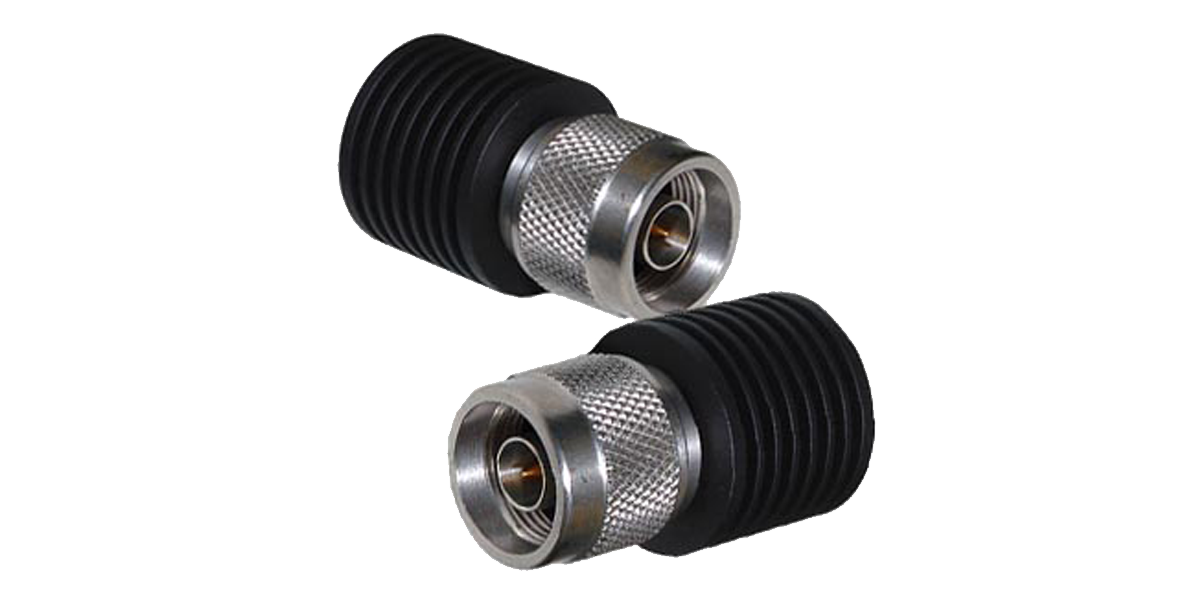
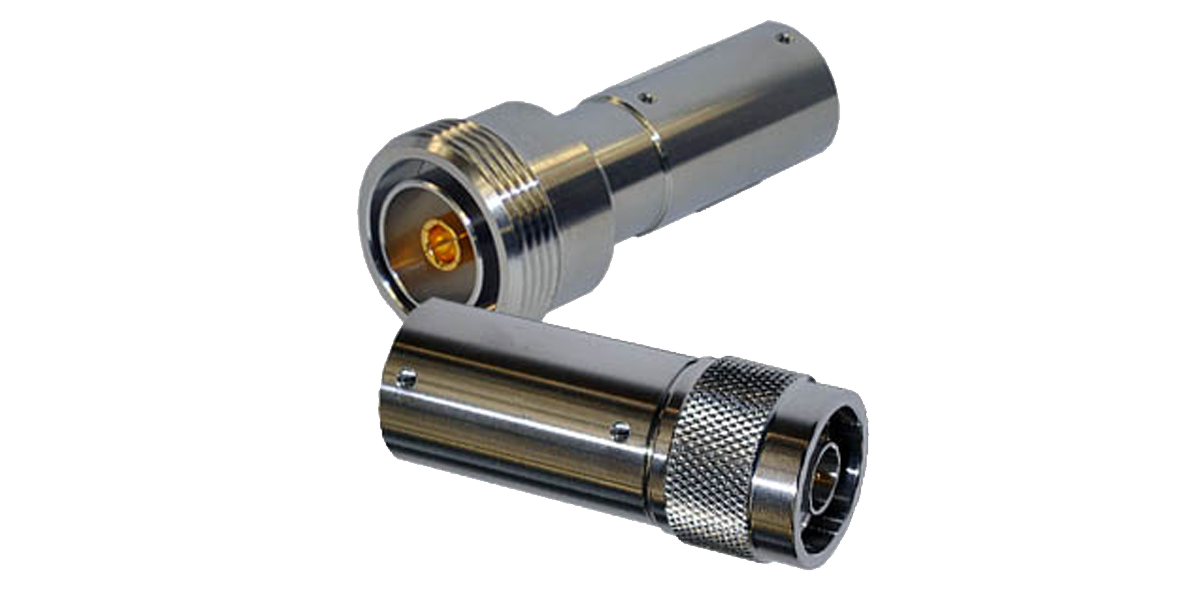
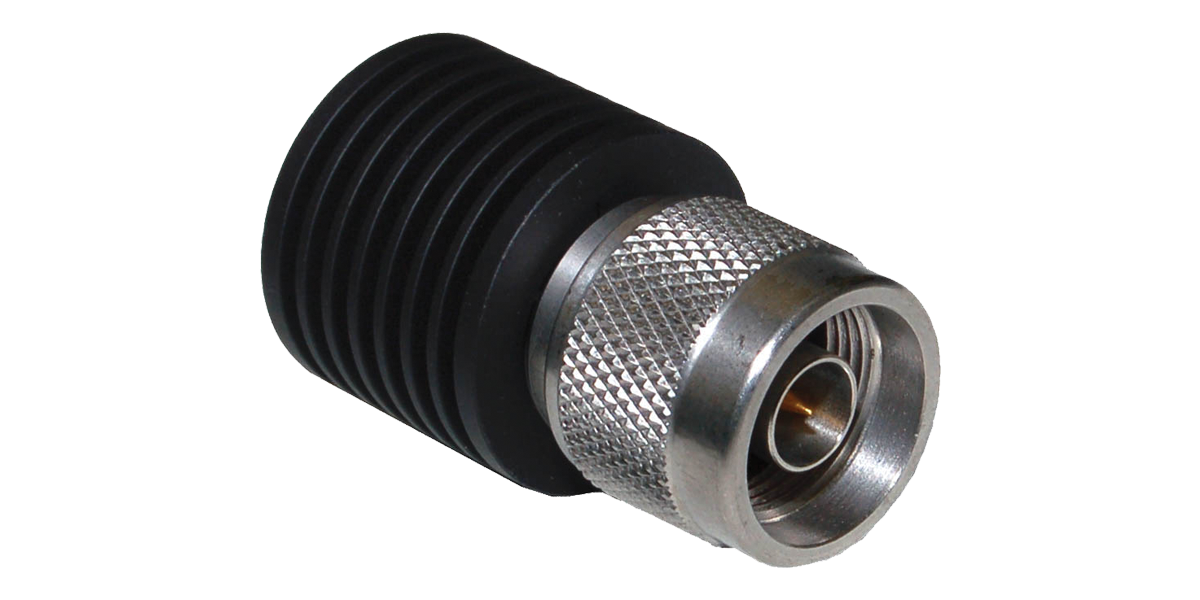
Bird’s RF Loads are trusted around the world to safely absorb RF energy and protect critical systems from reflected power. Built for durability, precision, and performance, our load family covers a wide range of power levels, frequencies, and connector types—supporting everything from lab or field testing, to high-power embedded applications.
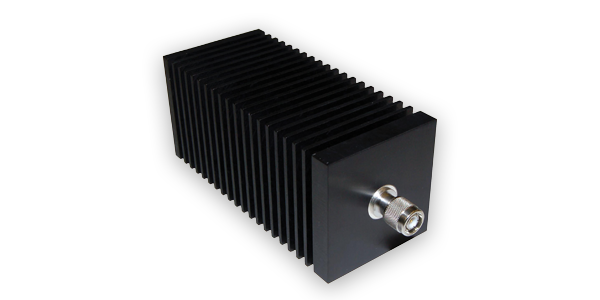
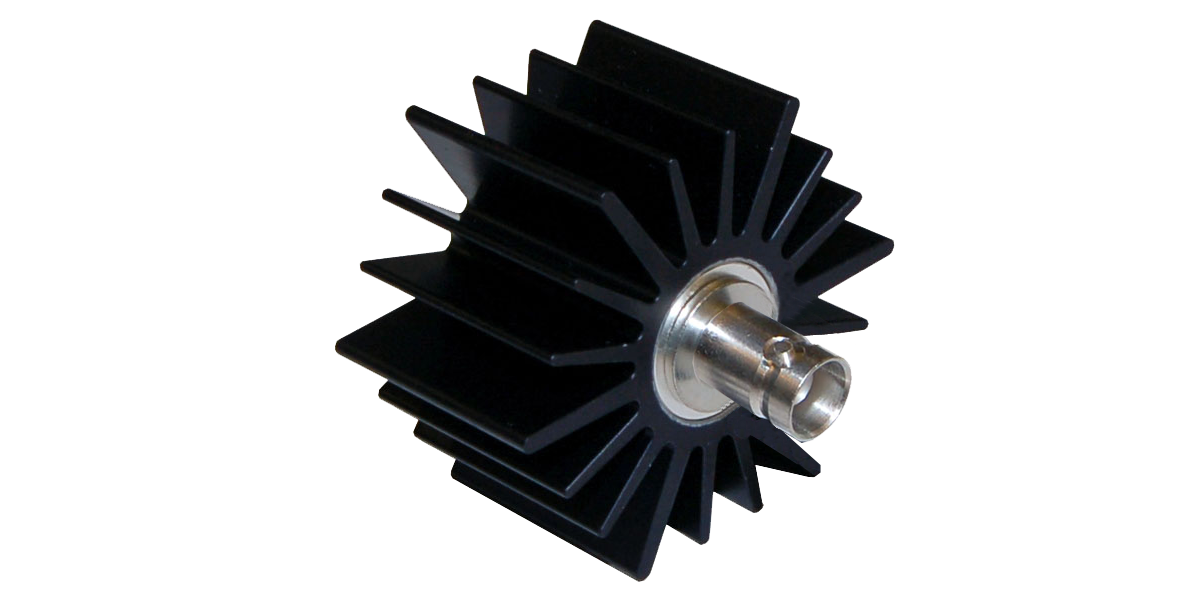
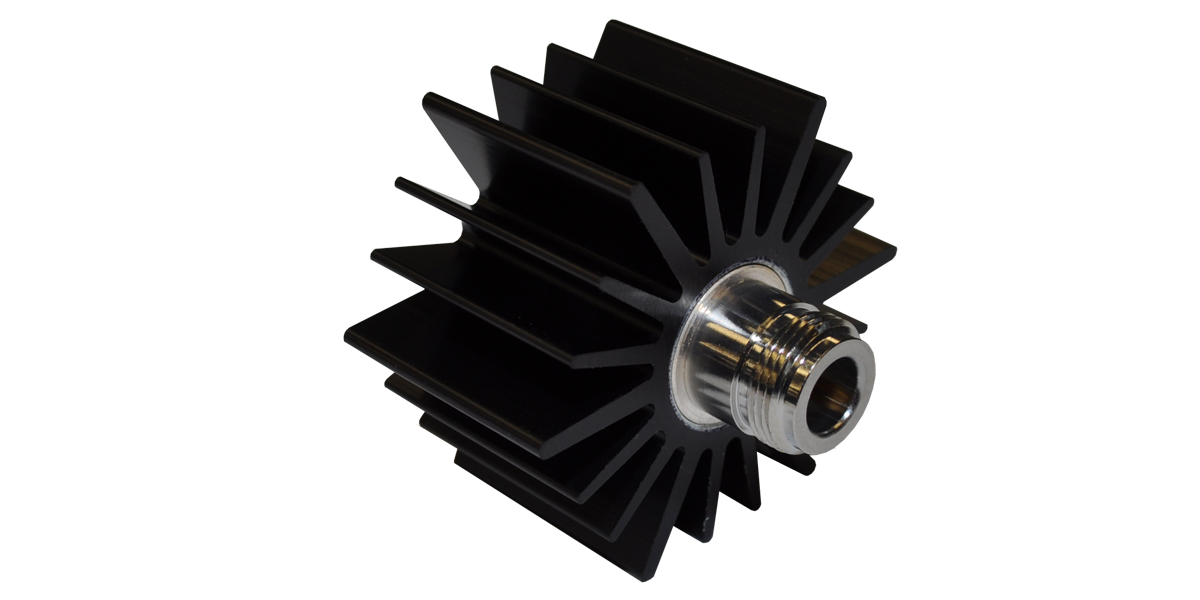
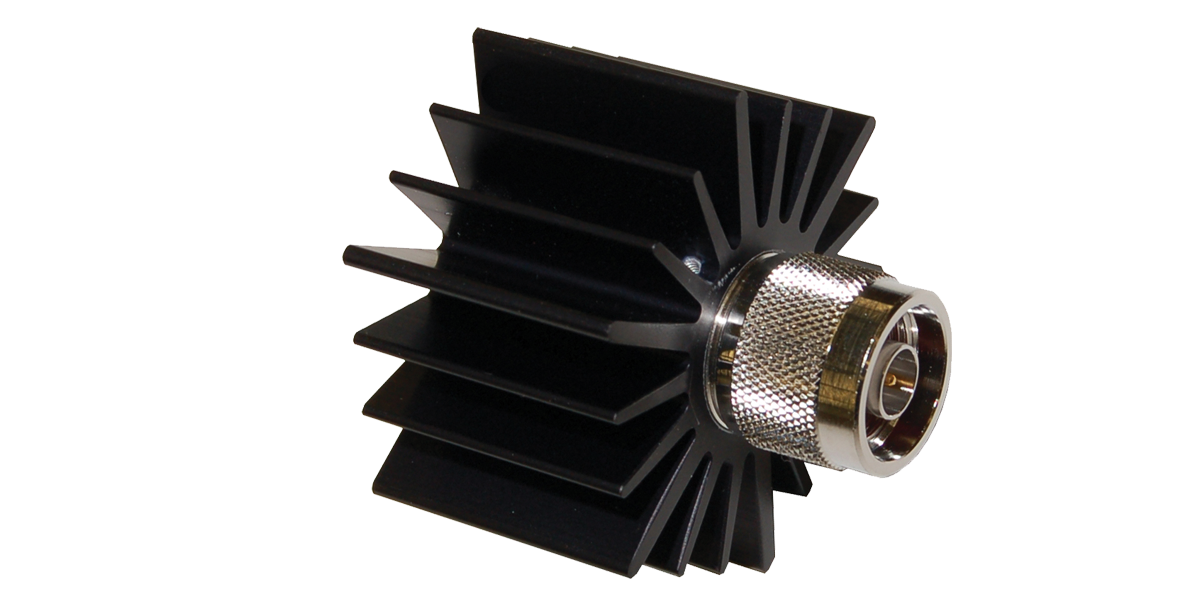
Utilizes internal heat sinks and chassis cooling fins for passive air cooling.
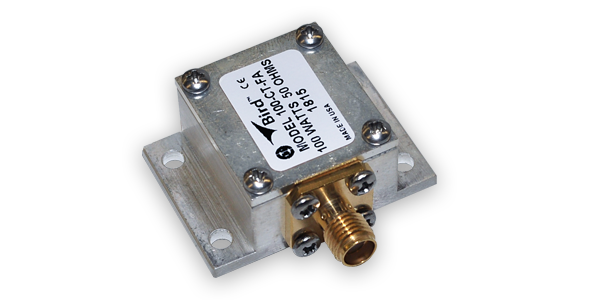
Dissipates heat through direct contact with a heatsink or chassis.
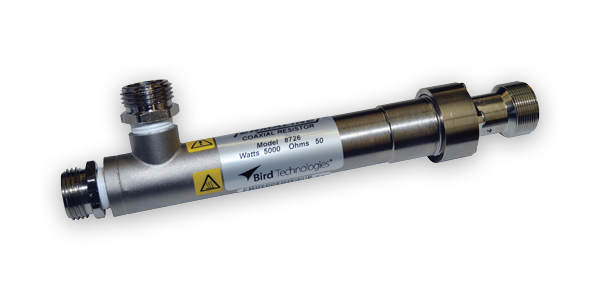
Uses flowing water for high-efficiency cooling.
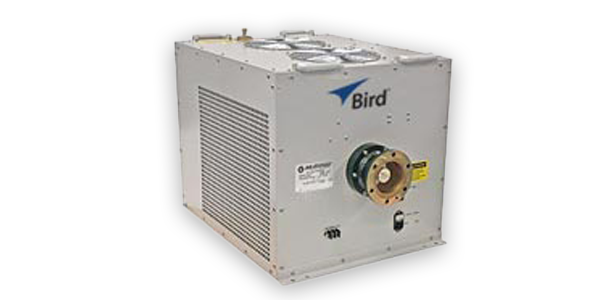
Bird’s Moduload integrates water cooling in a sealed, portable unit—no external plumbing needed.
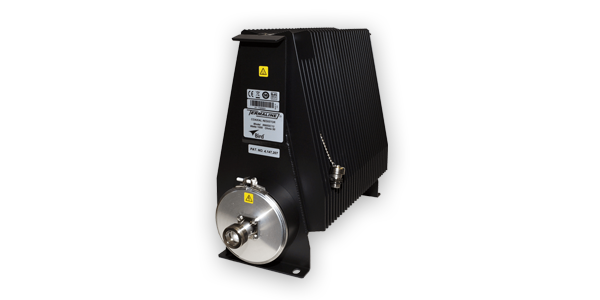
Uses oil for both dielectric properties and heat dissipation.
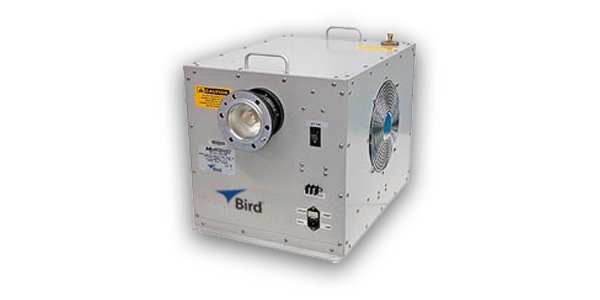
Actively cooled using high-velocity airflow (often fan-assisted) to cool internal resistors.
Showing 1 - 12 of 177 results

Choose a load with the right frequency range, a power rating that handles both average and peak power, and a low VSWR for efficient signal absorption. For pulsed or modulated signals, check the peak-to-average ratio to avoid overload.

Consider the connector or flange type to match your system interface, the cooling method—air, water, or oil—based on your power and environment, and any mounting or space constraints that could affect installation.

Make sure the load can handle your ambient temperature and has adequate coolant flow and quality if required. Also consider shock, vibration, altitude, and humidity tolerance—especially in field or mobile environments.
To ensure performance and safety, match the load to your system’s specs and environment.
Frequency Range:
Power Rating
VSWR
Peak-to-Average Ratio
Connector or flange type
Cooling method (air, water, oil)
Mounting and space constraints
Ambient temperature, coolant flow/quality
Shock, vibration, altitude, and humidity tolerance
In RF systems, a load is more than just an endpoint—it’s a safeguard for performance and reliability. A poorly designed or fragile termination can introduce reflections, degrade signal quality, or break down under load, leading to unpredictable system behavior and costly downtime.
Whether in a lab, a network, or a high-power environment, your load must hold up—physically and electrically.
With Bird, you get proven durability and performance, so your signal stays clean and your system stays up.