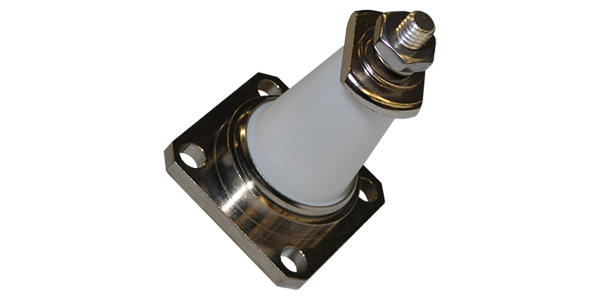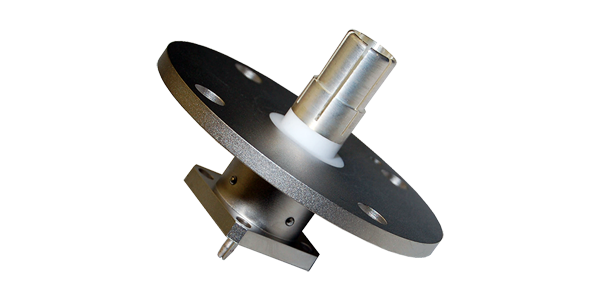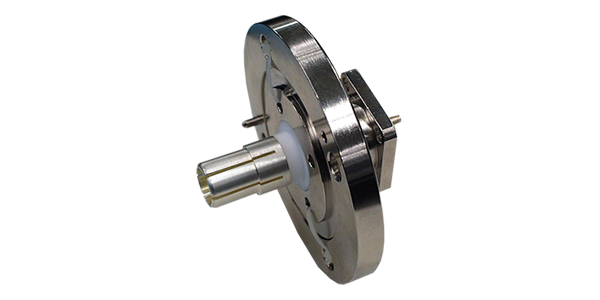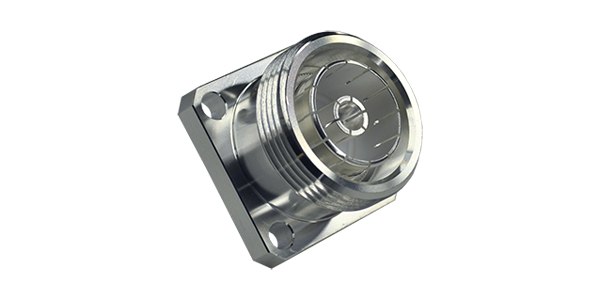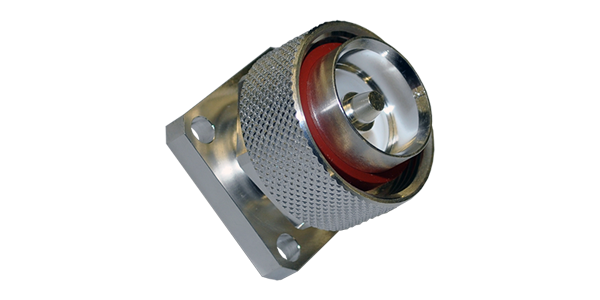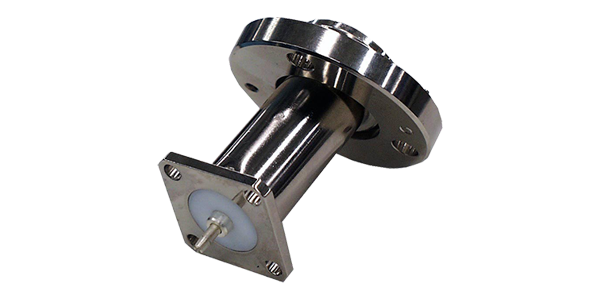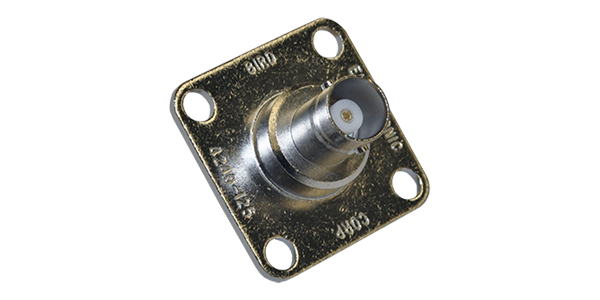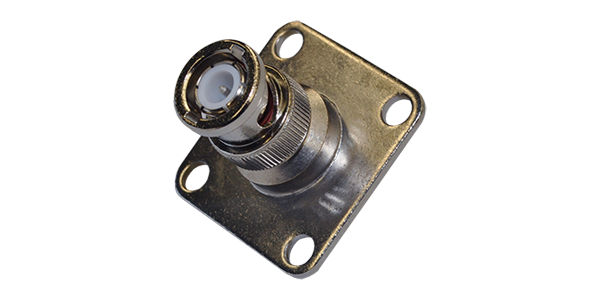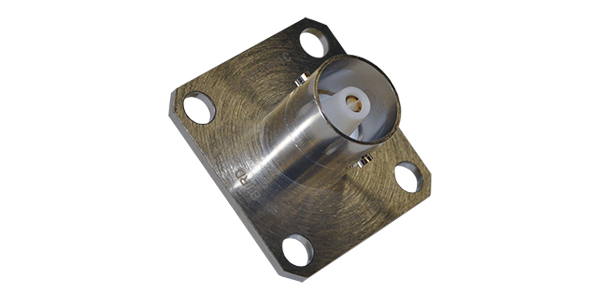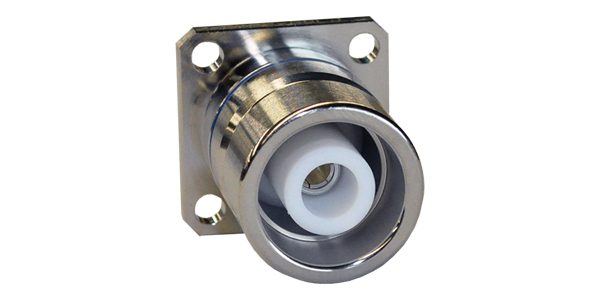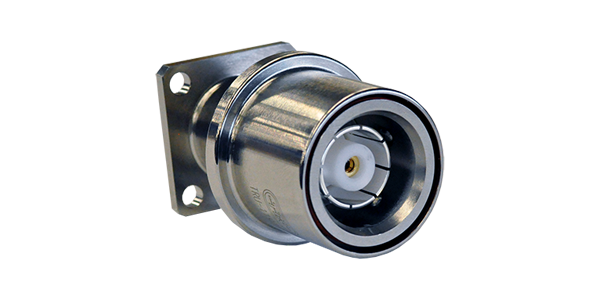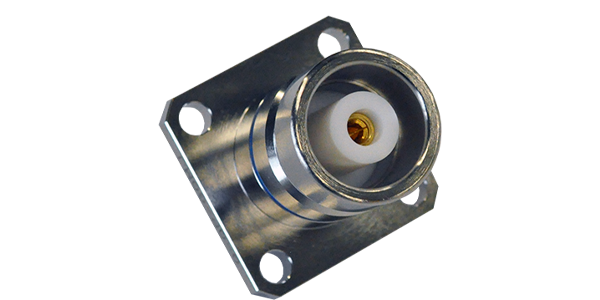
Bird’s QC Series Quick-Change Solderless RF Connectors are built for speed, precision, and real-world conditions. Whether you're in the lab or out in the field, our patented connector system lets you swap connector types in seconds—no soldering, no downtime, no compromises.
Trusted by RF professionals for decades, the QC Series ensures your equipment stays flexible, your measurements stay accurate, and your team stays on schedule.
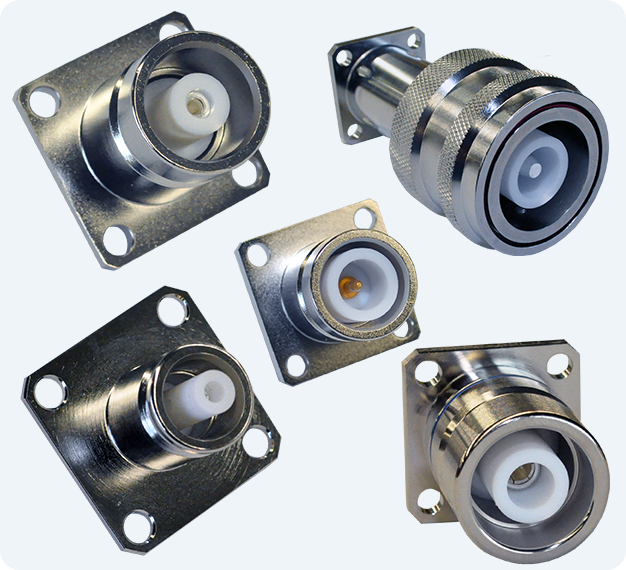
Easily swap connectors on-site with just four screws—no soldering, no downtime.
Avoid performance loss from adapters by using the exact connector your setup requires.
Supports a wide range of Bird RF products, including loads, attenuators, and wattmeters.
Start by identifying the connector type used on the device you’re testing (e.g., N-Type, BNC, TNC) and whether you need a male or female connector.
Showing 1 - 12 of 44 results
Built for durability, precision, and ease of use, Bird’s RF connectors are trusted by professionals worldwide. Whether you're upgrading your site or building a new system, Bird connectors ensure the reliable, high-performance connections your RF equipment demands—without compromise.
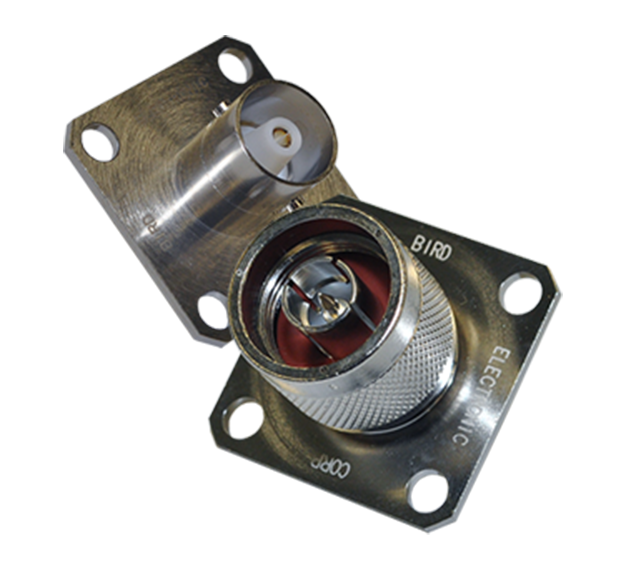
An RF connector is used to create a secure electrical connection between coaxial cables and RF devices while maintaining the characteristic impedance of the transmission line. Proper connectors minimize signal loss, reflections, and electromagnetic interference across a wide range of frequencies.
For example, a Type N connector can support applications up to approximately 11 GHz, while some precision versions are rated even higher.
A quick-change (QC) connector is a solderless RF connector that swaps in and out of a wattmeter or load using just four screws, letting you switch connector types — N, UHF, BNC, TNC — in the field in seconds without an adapter or a change to calibration.
On the N-type QC connector, for example, insertion VSWR stays below 1.05:1 up to 1000 MHz.
Look for corrosion, moisture ingress, or physical damage first — those are the usual visible culprits. Electrically, a bad connector shows up as high VSWR or poor return loss on a sweep test, with return loss worse than about −14 dB generally flagged as a problem. If the numbers are off, a distance-to-fault measurement will pinpoint whether the fault is at the connector or further down the line.