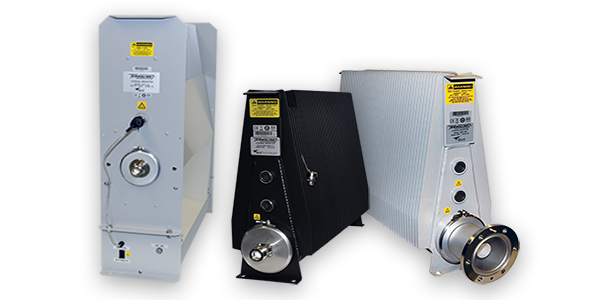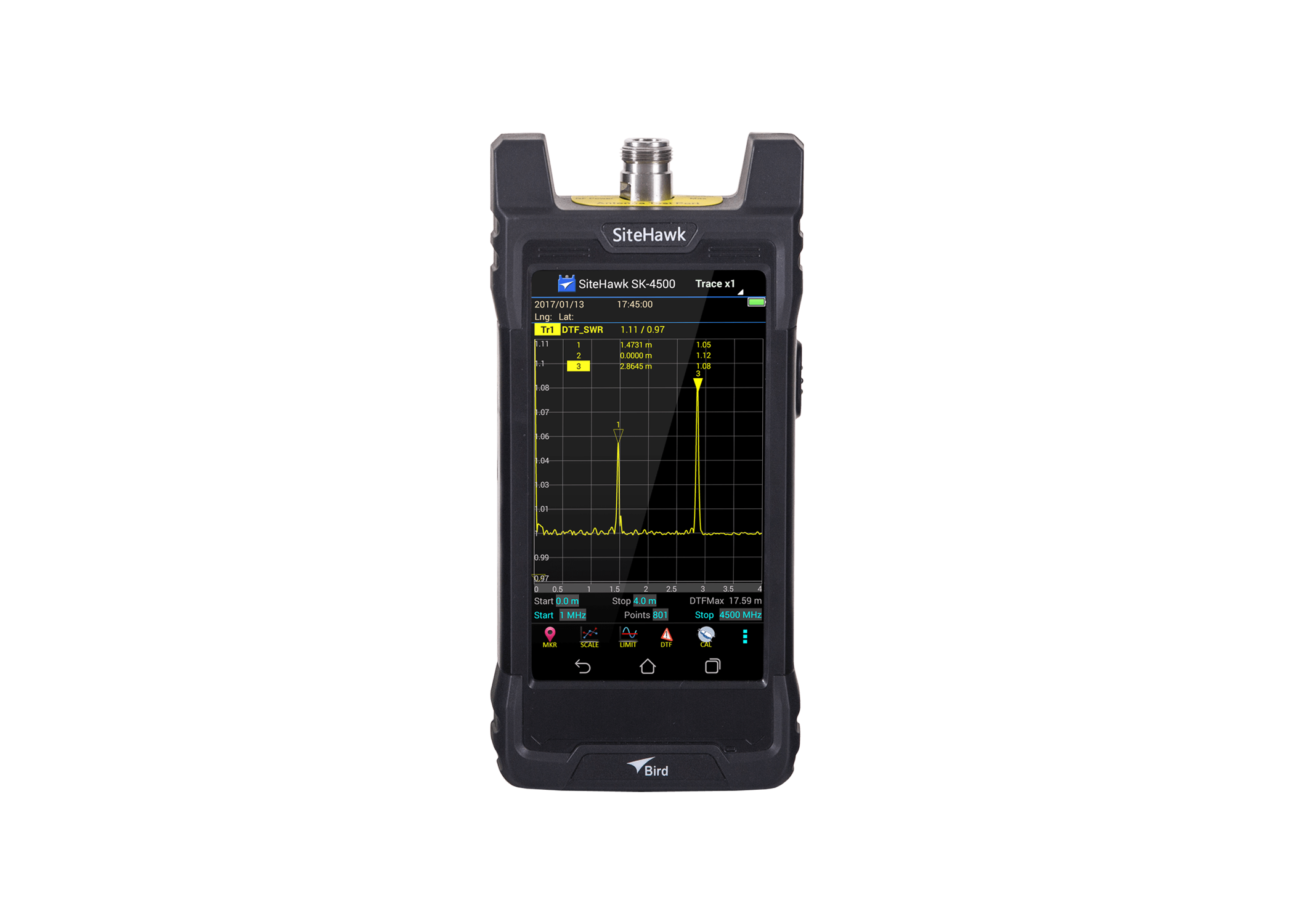
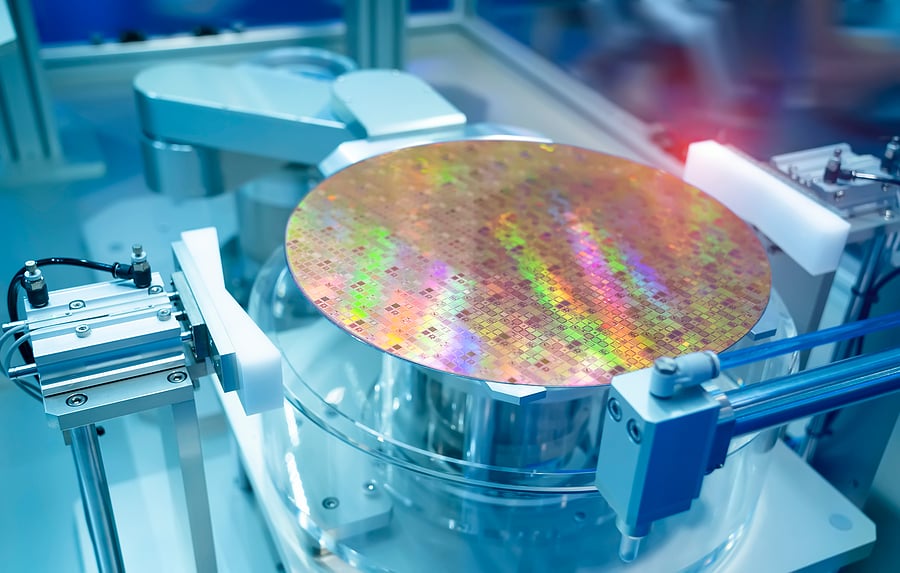
In semiconductor fabs, precision is everything—and RF energy is at the heart of every plasma process. Bird’s RF measurement and monitoring solutions are engineered to thrive in the demanding environments of semiconductor manufacturing.
Whether you're building tools, optimizing throughput, or troubleshooting process drift, Bird brings clarity to your RF power systems so you can focus on what matters: yield, uptime, and performance.
Catch RF changes before they impact yield or wafer quality.
Keep chambers matched and performance consistent.
Identify RF issues faster and cut diagnostic downtime.
In plasma-enhanced etch and deposition tools, precise RF delivery is critical—but not all measurement points tell the full story. That’s why Bird provides two types of RF sensors, each placed strategically in the tool to give you the clearest picture of what’s really happening.
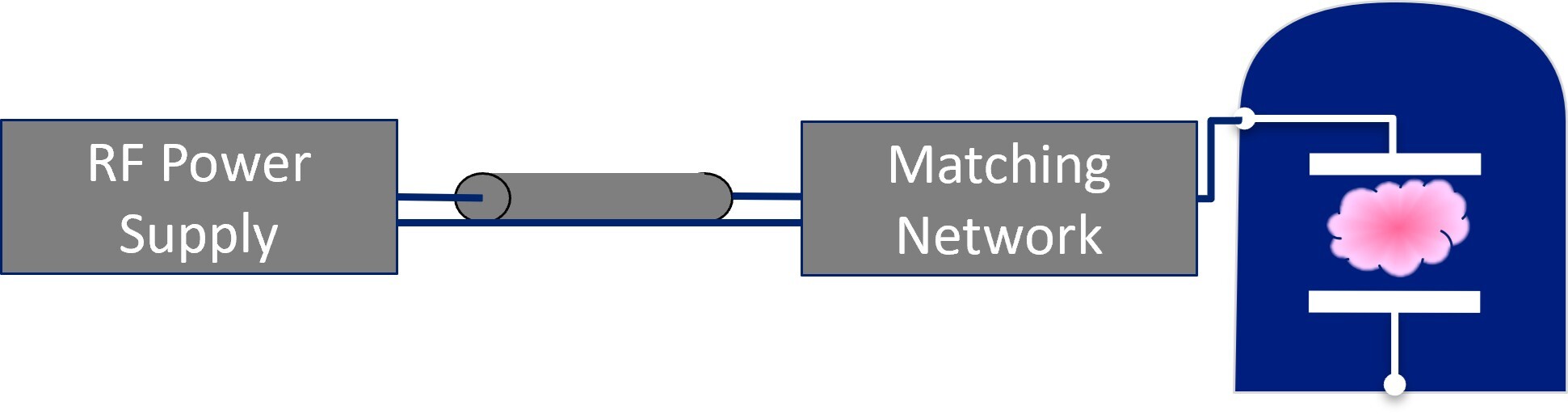
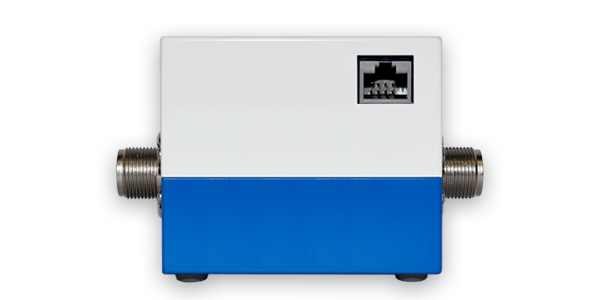
These sensors are installed upstream, between the RF generator and the match network. They provide accurate forward and reflected power readings in a controlled, 50 ohm environment—ideal for verifying generator output and ensuring the match box is receiving stable power.
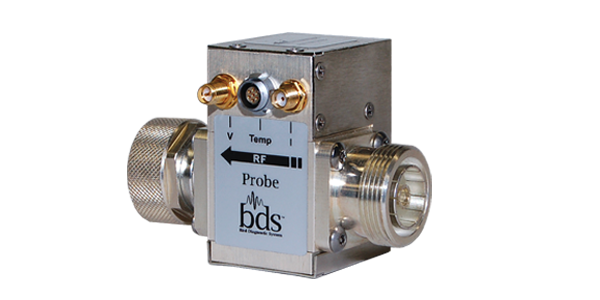
Positioned between the match box and the plasma chamber, these sensors measure voltage, current, and phase—capturing what actually reaches the process. They account for load variations and impedance mismatches that the generator can’t see. This is where true process-side insight begins.
By measuring at both points, fab engineers can:
Bird gives you visibility where it counts—before problems turn into lost wafers.
Have more questions? Get Expert Help.
RF measurement is important in semiconductor manufacturing because RF energy is used to generate and control plasma during processes such as etching and deposition. Measuring forward and reflected power helps engineers maintain repeatable process conditions and identify problems with RF generators, matching networks, cables, or the plasma load.
For example, a plasma process operating at 13.56 MHz may require stable RF power throughout each production cycle to help maintain consistent wafer processing.
Required RF power measurement accuracy depends on the process, power level, equipment design, and how tightly RF conditions must be controlled. Engineers should consider total measurement uncertainty, repeatability, and long-term stability rather than sensor accuracy alone.
For example, if a 1,000 W plasma process requires measurement uncertainty within ±1%, the complete measurement system would need to maintain uncertainty within approximately ±10 W.
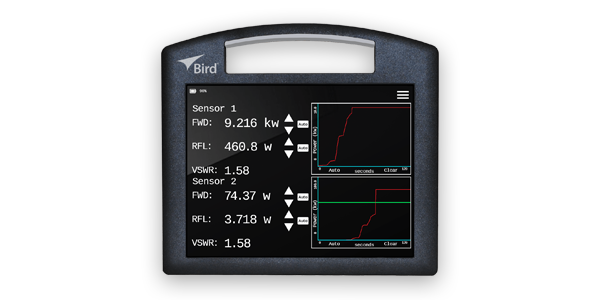
RF measurements can be made at different points depending on what engineers need to understand. Before the matching network, inline RF power sensors measure forward and reflected power in the 50 Ω RF delivery system. After the matching network, V-I-Phase sensors can measure voltage, current, phase, impedance, and delivered power closer to the plasma chamber.
For example, an engineer may use a pre-match power sensor to verify stable generator output while using a post-match V-I-Phase sensor to identify changes in plasma impedance or delivered power during the process.
Bird isn’t new to the semiconductor world—we’ve been the trusted RF measurement standard in this industry for more than three decades. Fab engineers know our name because our tools earn their place on the floor: they work, they last, and they tell the truth when it matters most.
Trusted by fabs and toolmakers who demand precision—here’s why:
Contact UsOur sensors and measurement systems are designed to operate reliably in cleanrooms, and RF-intensive toolsets—with minimal drift and long calibration cycles.
Fab teams depend on Bird for the data they use to protect yield and diagnose issues. When you need to know what’s really happening at the chamber, Bird brings clarity.
Bird has been solving complex RF challenges for over 80 years. Our experience spans industries, but our commitment is always the same: to help you measure better, faster, and with complete confidence.